

“Being able to monitor the patient remotely and see how their condition is developing is invaluable.”
Reliable monitoring of vital signs can be particularly challenging in mountain rescue and high-altitude medicine. Cold temperatures, difficult access to patients, rapid changes in altitude, and challenging evacuation conditions can all limit the use of conventional monitoring methods.
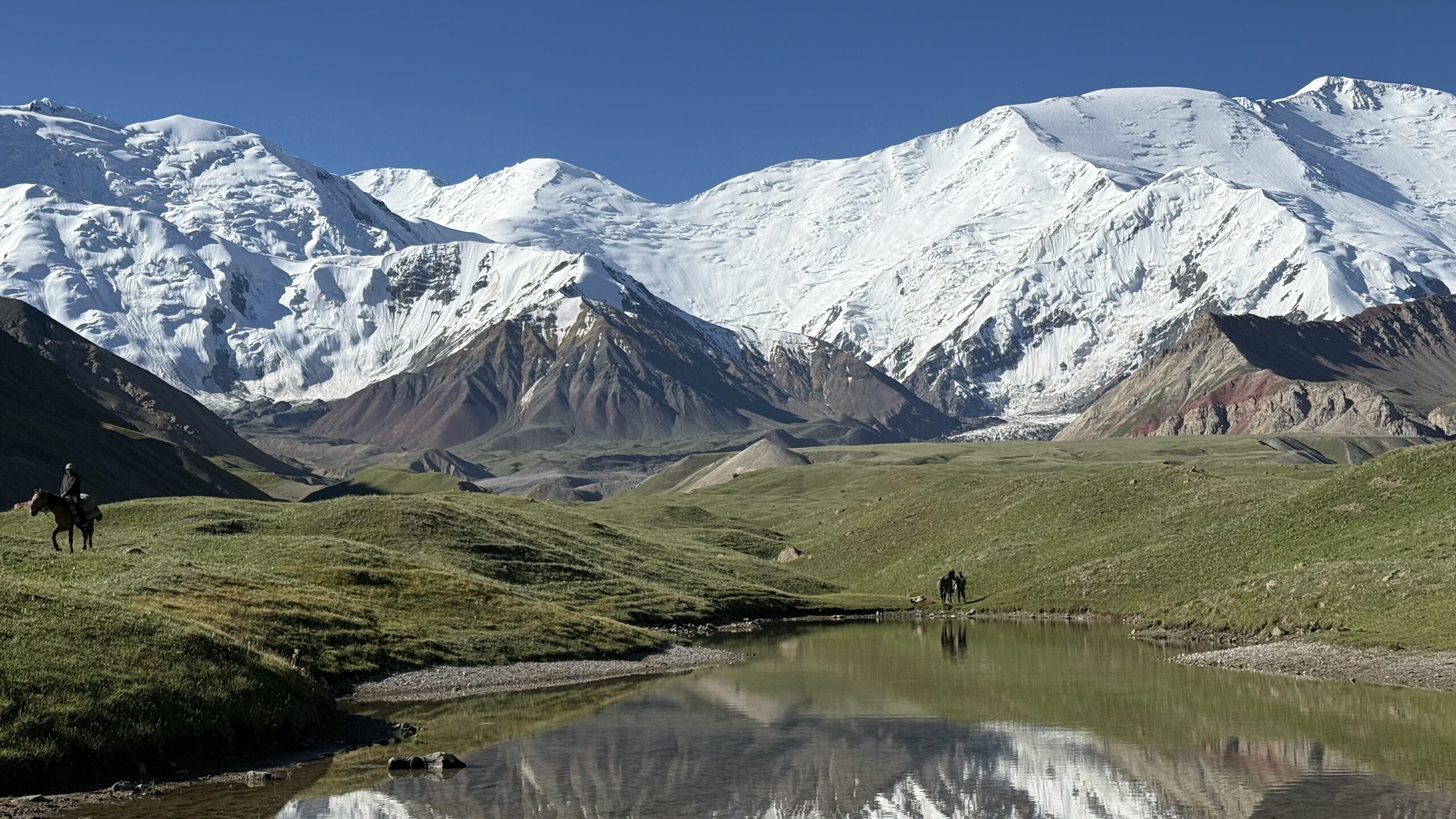
Dr. Alan Stone and Dr. Jeremy Windsor tested the mobile patient monitoring system, consisting of the in-ear sensor1 and accompanying app, as part of the Slava Topol Project on Lenin Peak in Kyrgyzstan. At 7,134 metres, the mountain is known for rapid ascents and the associated risk of severe altitude illness.
We spoke with them about the challenges of medical care at high altitude, their experience with our mobile vital signs monitoring system, and the potential of the technology in portable altitude chambers and mountain rescue.
About the interview partners:
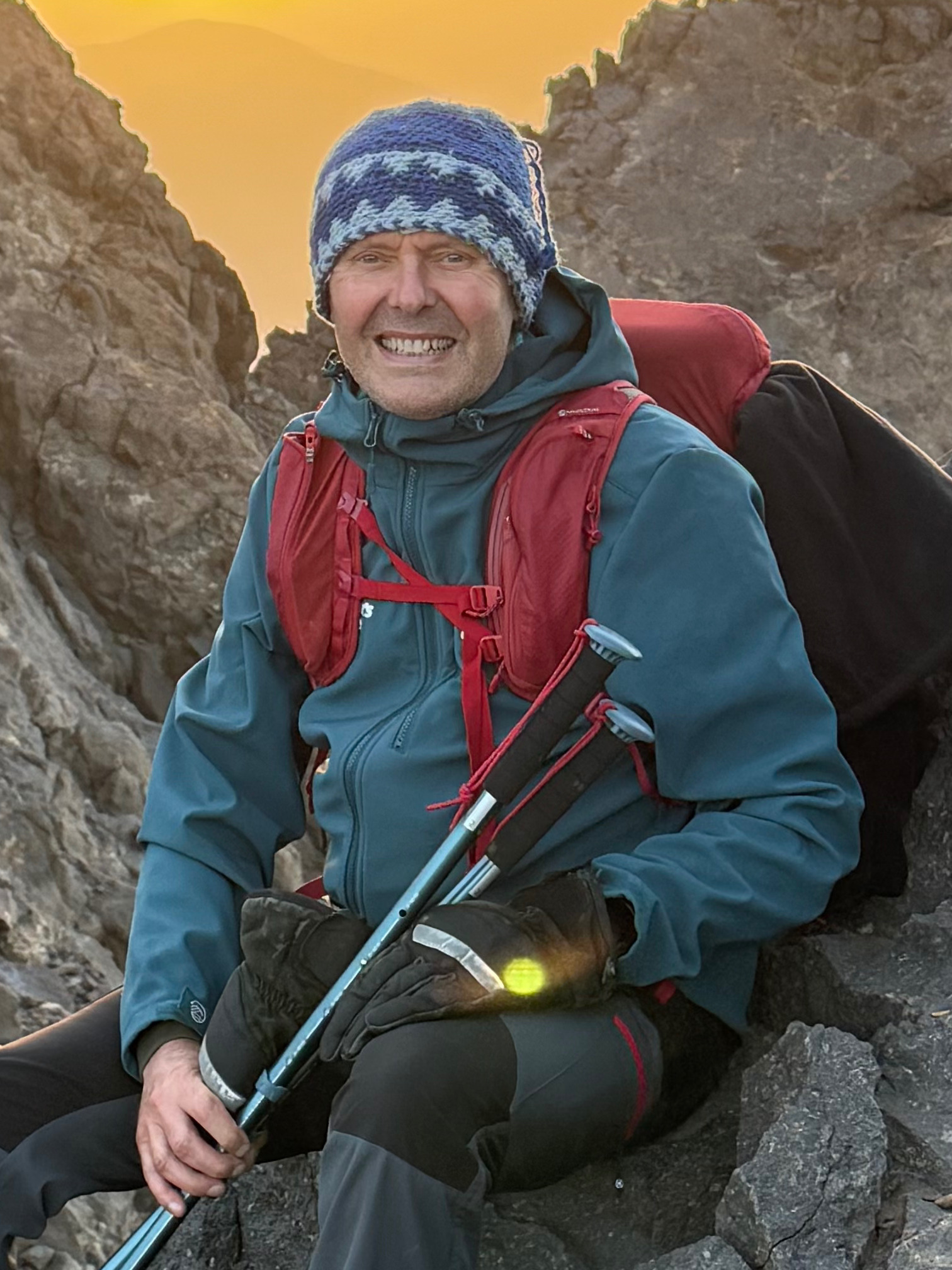
Dr Alan Stone is a General Practitioner and Medical Officer for Central Beacons Mountain Rescue Team. He is a keen fell runner, cyclist, skier and enjoys white water kayaking. He combines his love of the mountains with his vocation on expeditions. Alan Stone lives in South Wales and escapes to the mountains at every opportunity, whether that be the mountains of South Wales or the European Alps.
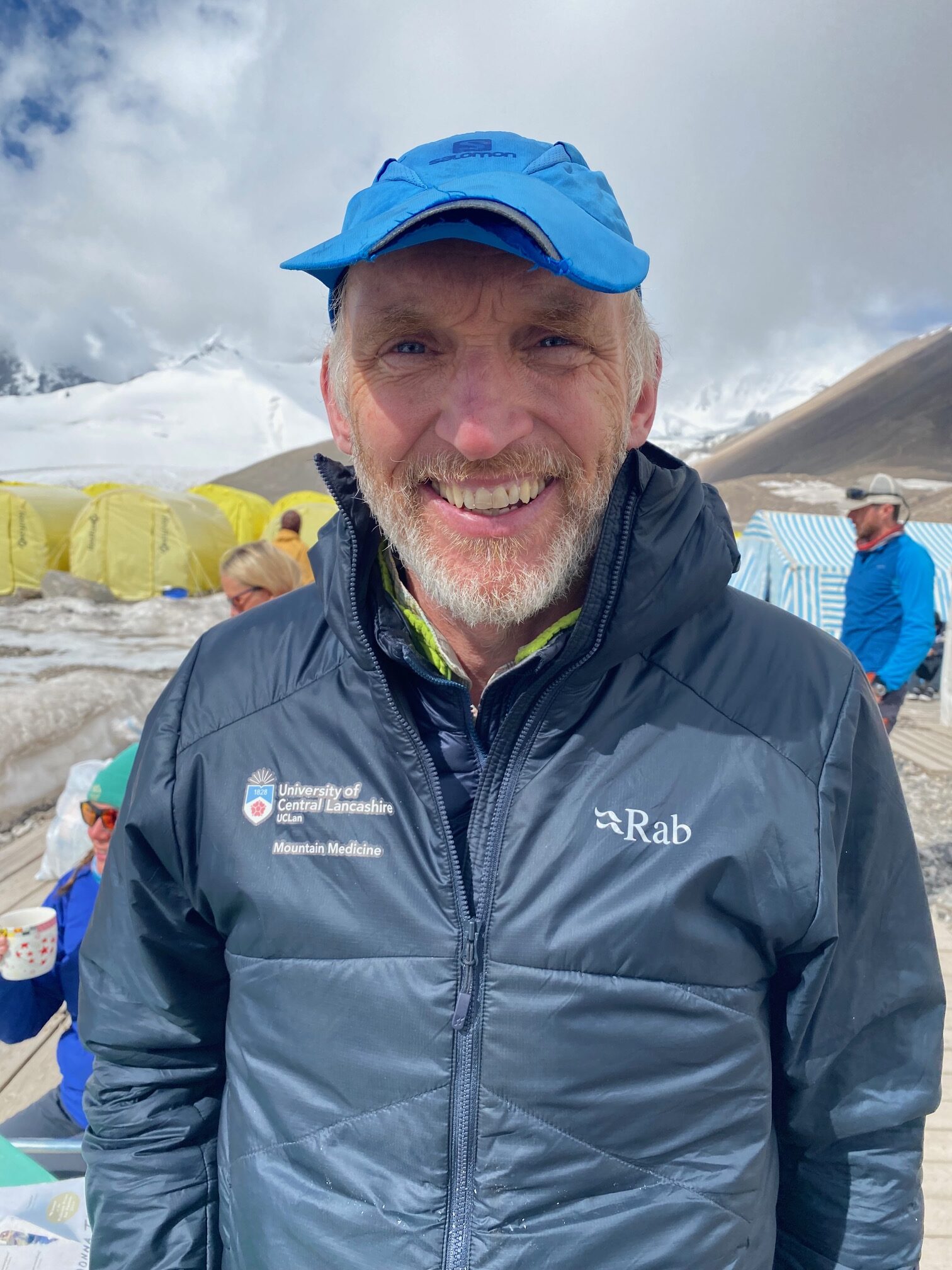
Dr Jeremy Windsor, consultant in anaesthetics and critical care at Chesterfield Royal Hospital and Director of the Centre for Mountain Medicine at the University of Lancashire.
Could you two tell us a little about yourself and your work? What led you to specialize in mountain medicine?
Alan Stone: I’m a medical doctor and have always had an interest in the outdoors – hiking, climbing, kayaking and similar activities. Joining a mountain rescue team seemed like a great way to combine my hobbies and my work. When I semi-retired, I suddenly had some spare time, so I joined a mountain rescue team.
Jeremy Windsor: I’m a consultant in anaesthetics and critical care at Chesterfield Royal Hospital and Director of the Centre for Mountain Medicine at the University of Lancashire. Besides that, I’m the Medical Director of the Slava Topol Project, where I oversee the medical care on Lenin Peak in Kyrgyzstan.
Before we talk about the project in more detail, could you explain what makes medical care and patient monitoring in mountain rescue – particularly at very high altitudes – different from a conventional rescue situation?
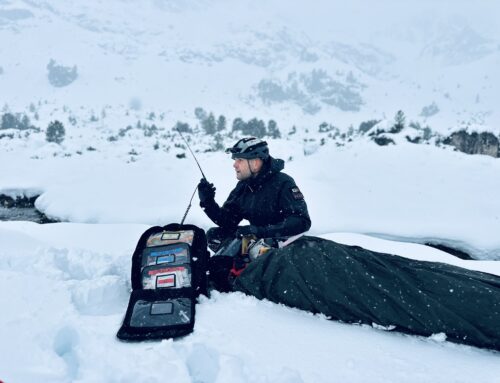
Alan Stone: Normally, at high altitude or in a mountain rescue situation, we use a peripheral oxygen sensor on the fingertip and an infrared tympanic thermometer to measure temperature. But when someone is cold, the peripheral circulation shuts down, making it difficult to obtain an oxygen saturation reading. And if the ears are wet or contain dirt or snow, a tympanic thermometer can become very unreliable. So by the time we reach a casualty, they have often already been exposed to cold conditions for some time. They may have been stationary because of their injuries, and it can take an hour or more for us to reach them. So the patients whose vital parameters we most need to know are often the ones who are most difficult to measure. Blood pressure is generally easier to obtain, provided you can access the arm. However, we try to avoid unnecessary exposure because we don’t want to make the patient even colder. We often put casualties inside group shelters or other protective equipment. That’s one of the main differences when monitoring patients in the mountain environment.
Jeremy Windsor: Another really interesting aspect of working in the mountain regions especially of Central Asia is the population we are treating. There is a large population from Eastern Europe and Central Asia who have very little or no access to primary healthcare. As a result, we see men in particular in their 40s, 50s and 60s who may never have had their blood pressure measured or received the kind of preventive healthcare that would be common in Western Europe. On Lenin Peak, we therefore treated people who appeared healthy but had significant cardiovascular disease. We saw patients presenting with atrial fibrillation for the first time in their 40s or 50s, for example, as well as patients presenting with myocardial infarction at high altitude. Having a comprehensive set of vital signs can be extremely useful in this environment.
What are some of the greatest medical challenges when treating patients with altitude-related illnesses such as high-altitude pulmonary edema (HAPE)?
Jeremy Windsor: High-altitude pulmonary edema is a rare but well-known condition that tends to occur above about 2,500 to 3,000 metres. It is a response by the heart and lungs to low oxygen levels. In some individuals, that response becomes very pronounced, leading to very high pressures in the pulmonary arteries. As a result, the membrane between the heart and lungs can become damaged, allowing fluid – and eventually blood – to enter the lungs.
For patients, it can feel as though they are drowning in their own fluid. For clinicians, it is a fascinating condition because, if recognised early, it is highly treatable and reversible. From a monitoring perspective, however, it can be alarming. At sea level, a significant fall in oxygen saturation would usually indicate a major lung injury. At high altitude, baseline oxygen saturation is already much lower.
On Lenin Peak, for example, you can drive to base camp at 3,600 metres, where healthy people may have oxygen saturations in the low 90s. In a patient with severe pulmonary edema, however, we have seen saturations in the 40s. We had one case of HAPE with an oxygen saturation of just 48%.
That’s why having monitoring devices that are reliable, easy to access and able to provide real-time, continuous measurements is incredibly valuable. You can immediately see how a patient responds to supplemental oxygen, a pulmonary vasodilator such as nifedipine, or even simply changing their position.
In July and August 2026, you joined the Slava Topol project on Lenin Peak in Kyrgyzstan, a mountain rescue and medical program supporting climbers at high altitude. What were the main objectives of the project, and what role did vital signs monitoring play in the field?
Jeremy Windsor: Slava Topol was a mountaineer, mountain guide and expedition organiser from Kyrgyzstan who sadly died on Lenin Peak in 2022 while guiding clients very high on the mountain. It was believed that he probably died from carbon monoxide poisoning after significant snowfall covered his tent and a stove was left operating. Following Slava’s death, his family felt it was important that his work and contribution to the mountain community should be remembered. A foundation was therefore established in his name. In 2023, we were invited to get involved, and the University of Lancashire carried out a field visit in 2024 to explore how we could contribute to improving medical care on the mountain.
Together with our Kyrgyz partners, we established our first clinics in 2025 and continued the project in 2026. We now operate two clinics: one at base camp and one at advanced base camp. We provide free medical care to mountaineers and mountain workers, while also making sure we support the local Kyrgyz population. In 2025, we saw around 200 patients. This year was a little shorter and quieter, with just over 100 patients. We provide 24-hour emergency care as well as a daily clinic where anyone can receive free medical treatment. As I mentioned before, we see a huge range of medical problems – not only altitude-related illnesses, but also asthma exacerbations, diabetes, hypertension, ischaemic heart disease and a wide range of minor injuries such as blisters, burns, scalds and soft-tissue injuries.
In many respects, the project has also become what I would call a finishing school for our Diploma in Mountain Medicine trainees. We encourage our graduates to join us as volunteers so that they can build on their theoretical knowledge in the field.
Alan Stone: And we also conduct research there – including research with your mobile patient monitoring system.
Jeremy Windsor: It’s also worth mentioning the preventative work we do. We talk to people at base camp and advanced base camp about acclimatisation. A pulse oximeter is a very useful teaching tool. You can show someone how much their oxygen saturation has already fallen simply by driving up to base camp and explain why they need time to acclimatise.
You can talk theoretically about oxygen and atmospheric pressure, but when you put a pulse oximeter on someone’s finger, it suddenly becomes much more tangible.
Alan Stone: A good example was my own oxygen saturation on the summit of Kilimanjaro, which was around 75%. When you consider that, during the COVID-19 pandemic, patients with oxygen saturations below 92% were being admitted to hospital, it really puts those numbers into perspective.
Jeremy Windsor: And it also illustrates why pulmonary edema can be so devastating. If you are already dealing with low oxygen saturation because of altitude and then start filling your lungs with fluid, it doesn’t take much fluid to bring your oxygen saturation down to dangerously low levels.
Lenin Peak is a very serious and potentially dangerous mountain. At 7,134 metres, it is considered by many to be one of the easier 7,000-metre peaks. But that mainly means that the technical difficulty is relatively low. People can ascend very quickly, and some attempt to climb a 7,000-metre peak in two weeks or less. As a result, we see a remarkable amount of altitude illness. Cerebral and pulmonary edema are rare conditions in general, but on Lenin Peak I saw numerous cases.
Alan Stone: Suddenly, they didn’t seem so rare.
Jeremy Windsor: Exactly. In the past, Lenin Peak has sometimes seen five or more deaths in a season. We are talking about a mountain with potentially up to 1,000 visitors and mountain workers in a season.
Over the past two years, we have not seen a fatality from high-altitude illness on the mountain. I don’t think we should necessarily take credit for that, but we hope that greater awareness, education and access to medical care are helping to reduce the incidence of these life-threatening but reversible conditions.
Our long-term ambition is also to train enough Kyrgyz operators to take over the project themselves. This is not a case of European providers coming to the mountain, providing medical care and then disappearing again. It is a long-term commitment to training local providers. We hope that, over the next five years, we can build a local provider service with strong training from European and North American mountain medicine teams.
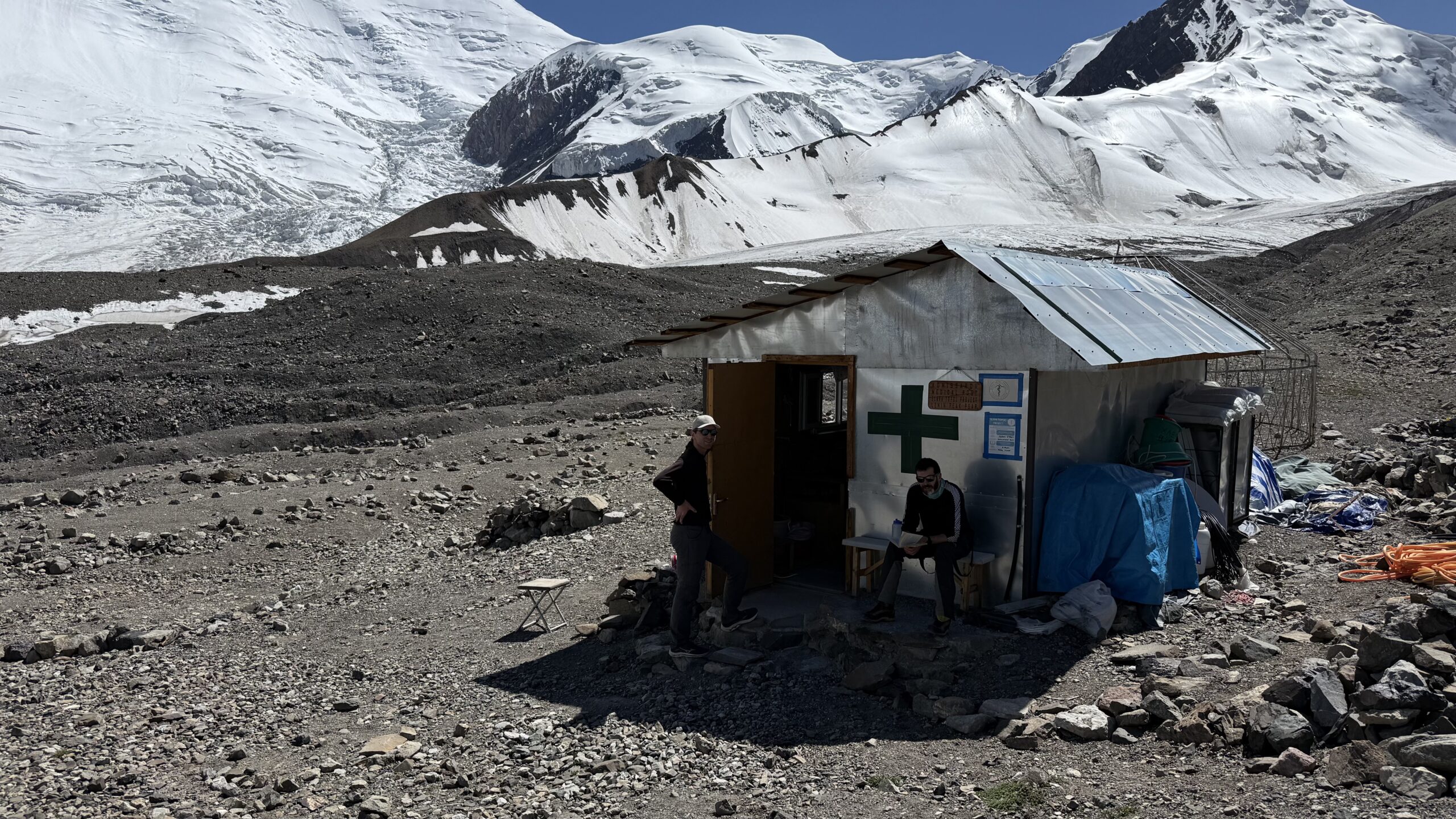
Medical hut at Advanced Base Camp
You tested the in-ear sensor at altitudes ranging from 3,600 to 4,400 meters. How did you first learn about the in-ear sensor, and what in particular did you want to investigate?
Alan Stone: Through my work with the mountain rescue team, I became aware of how difficult it can be to measure temperature and oxygen saturation in casualties, particularly in cold environments. Many decisions concerning the management of cold casualties are based on estimates of their temperature, so there has always been a significant gap when it comes to measuring these parameters reliably in the wilderness.
I first saw your mobile patient monitoring system with the in-ear sensor at a trade show for outdoor responders. Some members of my team had seen it and showed it to me. I had seen your data showing that, in hypothermic cardiac surgery, the device closely followed core body temperature, so I was interested in how it might perform in the mountains.
How did the in-ear sensor perform in this context?
Alan Stone: My experience was that the system was very reliable. It produced a clear pulse waveform that was easy to see on the screen. It was particularly useful to be able to view the patient remotely and observe them in real time. It was also valuable that the data could be recorded for later analysis. The oxygen saturation appeared very reliable. We didn’t have a definitive method of comparing it with core oxygen saturation, but it correlated very well with peripheral devices whenever those devices were working – and, as mentioned, peripheral devices don’t always work in these conditions. Also the pulse rate matched the clinical picture on every occasion.
Measuring body temperature in such cold environments was a somewhat greater challenge, but even here, the in-ear sensor was able to provide a useful indication of temperature and was never completely inconsistent with the clinical picture.
Overall, the in-ear sensor was able to provide readings across a wider range of subjects and in a wider range of situations.
Jeremy Windsor: When you have an extraordinary clinical situation, such as life-threatening high-altitude pulmonary edema, continuous monitoring is invaluable. In one case, for example, the patient had an oxygen saturation of 48%, a respiratory rate of 60 breaths per minute and a pulse of 130 to 140 beats per minute. They were probably hypertensive because of the strong adrenergic response and could have a blood pressure of 160 over 110. They might also be hypothermic, with a temperature of 35 degrees or below. Being able to watch those parameters change over several hours and adapt treatment accordingly is extremely valuable.
One thing I always emphasise to my students is that HAPE doesn’t necessarily improve immediately. You give the medication, start oxygen, and it can still take six to twelve hours for things to really turn around. With continuous monitoring, you can see the patterns very clearly. At the end of the day, it’s not about individual readings – it’s about trends. Are things moving in the right direction? Is the treatment working? Is the patient improving?
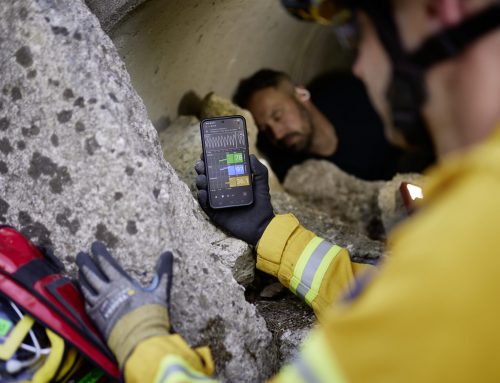
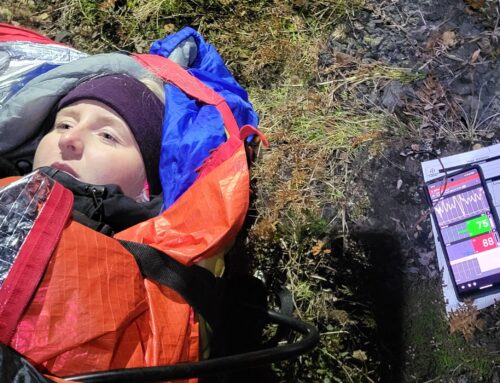
Alan Stone: I think another area where the device really comes into its own: when you don’t have ready access to the casualty. During evacuations, when they’re wrapped up on a stretcher and being carried through remote terrain, stopping to strip them off and measure their vital signs wastes time, delays evacuation and exposes the casualty to further environmental stress. Being able to remotely monitor them, fit the sensor and simply watch the screen gives you immediate feedback on how the casualty is doing – whether they’re stable, deteriorating or improving. I would use the word “game changer” here, because there’s no other device that I know of that quite does that.
Portable altitude chambers (PAC) can be used as a temporary treatment measure for patients with severe altitude illness. What are the particular challenges of monitoring a patient inside a PAC and how did the in-ear sensor perform in this context?
Jeremy Windsor: Remote monitoring doesn’t only mean monitoring someone on the side of a mountain. Portable altitude chambers are approximately two metres long and only 50 to 60 centimetres in diameter, so any equipment used inside has to be portable and practical. Inside a PAC the patient is sealed under pressure, with only a small observation window. There have been cases of patients dying inside PACs because they have vomited and obstructed their airway or fallen into a poor position. If you only look through the window every five minutes, you can miss those deteriorations. I have treated unconscious patients with cerebral and pulmonary edema in a PAC and have been sufficiently concerned about their airway that I have put another healthy person into the chamber with them to monitor their airway and make sure it remained protected. With a real-time monitoring device that can show those deteriorations, that additional person may no longer be necessary. It could make the process easier and safer.
Alan Stone: Lightweight devices also have to be strong enough to withstand the pressure conditions. That is one of the main challenges when it comes to accessing the patient. So it was useful to see that the in-ear sensor continued to work at altitude. We had an example during the expedition of another electronic device – an insulin pump – failing at altitude, which caused difficulties for a patient. So it was reassuring to test the in-ear sensor under those conditions.
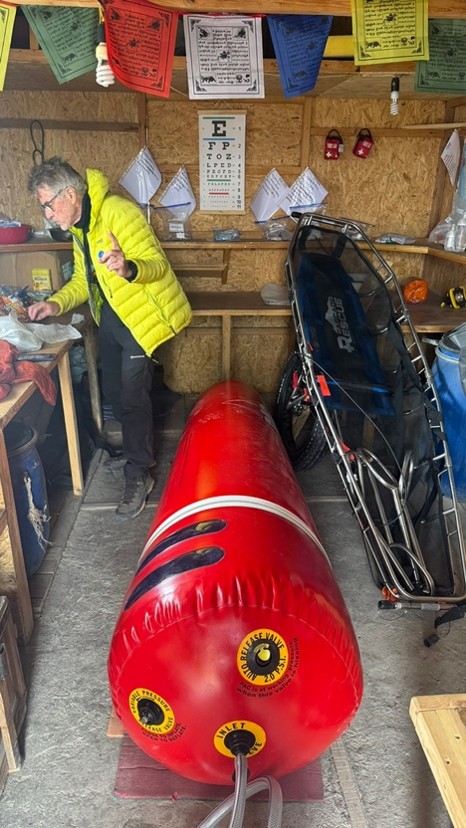
A Portable Altitude Chamber in use on Lenin Peak
Beyond PAC, where do you see other potential applications for lightweight, mobile vital-sign monitoring in high-altitude and mountain rescue?
Jeremy Windsor: When you use a monitor at high altitude, you really see the nuances and the dramatic changes that you might not see at sea level until a patient is extremely sick. That’s why I’m thinking about the next big step in altitude research: Real-time monitoring. In the future, if someone is travelling from one camp to another, it could be possible to monitor them continuously and compare their data with a large database. If we eventually have hundreds or thousands of people monitored at altitude, we may be able to identify patterns that distinguish people who are acclimatising well from those who are moving towards developing high-altitude pulmonary edema. In the future, this could potentially lead to individualised acclimatisation profiles and schedules.
Alan Stone: When I’m on expeditions, I already monitor my clients’ oxygen saturations on a daily basis as we ascend. I look at whether their oxygen saturation is dropping further or faster than that of their companions. But of course, the higher you go, the colder it gets. That’s one reason why peripheral saturation meters tend not to work as reliably. Inside a tent or building, provided the environment is reasonably warm, you can measure these parameters quite easily. Once it gets cold, it becomes much more difficult.
Jeremy Windsor: From a research perspective, around 90% of high-altitude research has been conducted at rest. What is really interesting, however, is pushing people and exploring their extreme physiology during exercise at high altitude. Very little work has been done in this area because we haven’t had sufficiently reliable monitoring to allow us to do it.
Looking ahead, do you plan to continue testing the mobile patient monitoring system in mountain rescue or high-altitude medicine? What would you like to explore next, and where do you see the greatest potential for this type of technology?
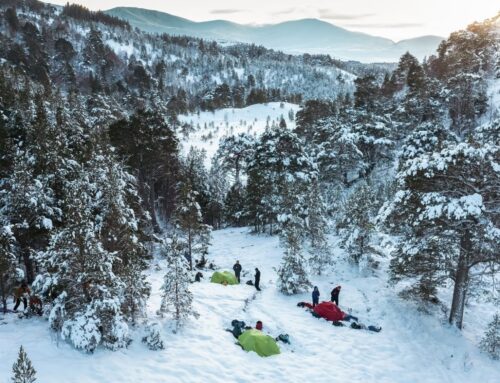
Alan Stone: I’m currently conducting research with Jamie McDonald at Bangor University on the use of the system in mountain rescue. One important aspect emerging from that research is the ability to remotely monitor casualties, particularly during evacuation from a mountain. When a patient is on a stretcher, they may be surrounded by eight or ten people carrying them over difficult terrain or being transported to a helicopter. On a lightweight mountain stretcher, the patient is strapped in and surrounded by warming materials, foil blankets and heat packs, making direct access difficult. Being able to monitor the patient remotely and see how their condition is developing is therefore extremely useful.
Jeremy Windsor: It would be great to continue using the system on Lenin Peak, both for teaching and research. What I would particularly like to do is publish an illustrative case study of a patient treated for high-altitude pulmonary edema, using the system to show graphically how the patient’s condition develops and responds to treatment.
We are also planning a ten-day high-altitude medicine training course for Kyrgyz participants and others who want to attend. It is scheduled to start in early May 2027. It would be brilliant to have one of these devices available for the course. Each afternoon will be dedicated to a teaching session, and we could build a two- to three-hour practical session around the device. I think it would be extremely useful for the students to see the system in action – and particularly valuable for the Kyrgyz participants to see what is possible with this kind of technology.
Thank you both very much for this very interesting conversation!
Photo credits: Alan Stone, Jeremy Windsor