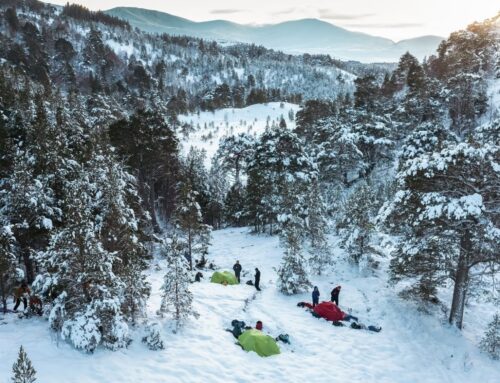


“Technologies like the c-med° alpha can significantly improve patient care in remote environments – Especially since the sensor can complement existing patient monitors, such as the corpuls3”
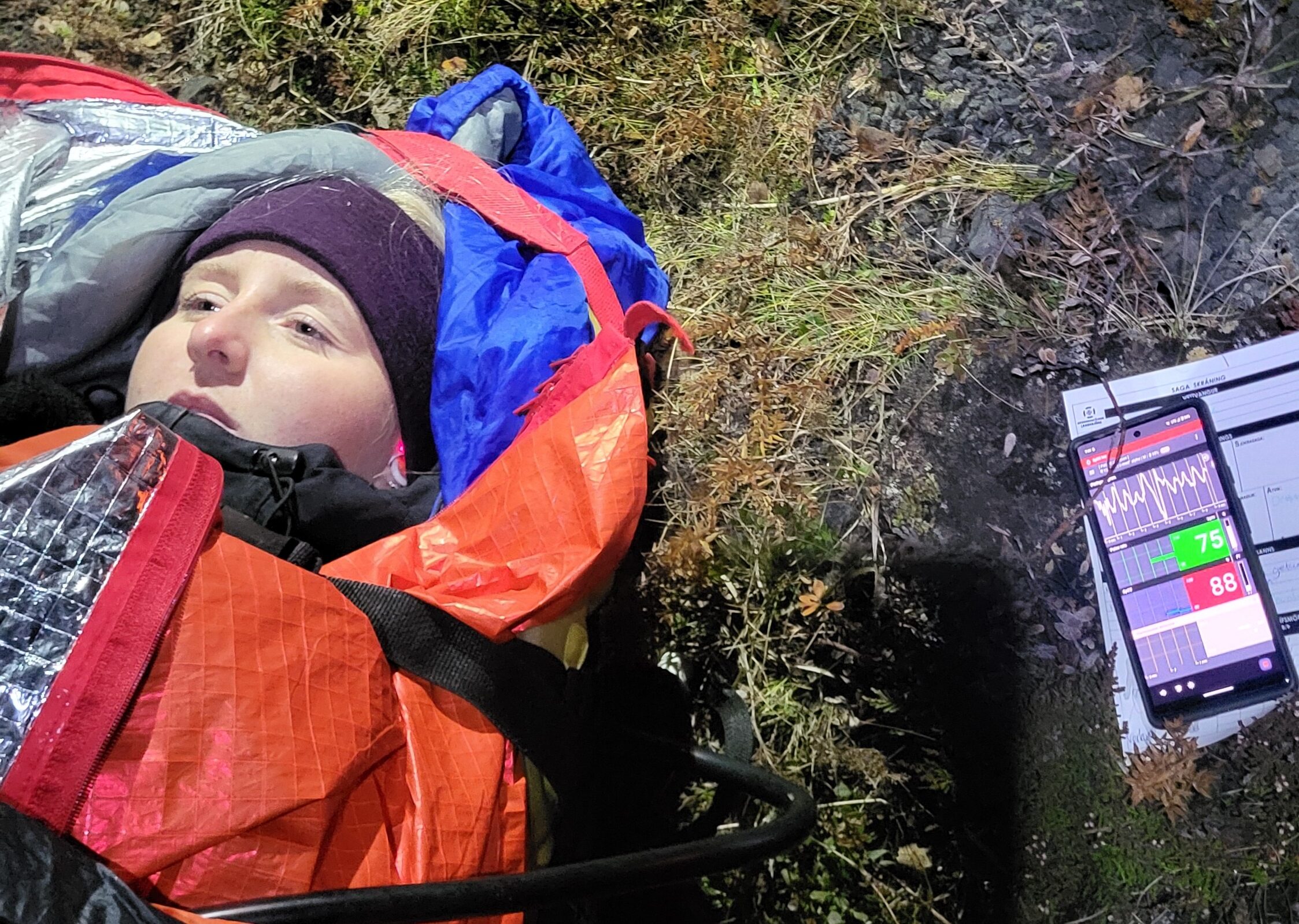
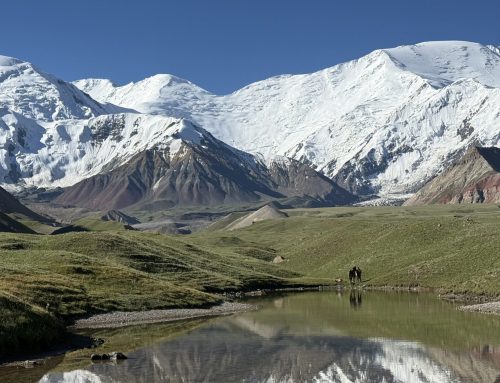
This photo was taken during a Wilderness Advance Life Support course in Iceland. Photo credit: Axel Ernir Viðarsson.
Providing medical care in remote and extreme environments requires experience, adaptability, and the right tools. Axel Ernir Vidarsson, a professional firefighter, EMT, and long-time search and rescue expert from Iceland, has spent nearly two decades working and teaching in exactly these conditions. In this interview, he shares insights into his career path, the realities of wilderness rescue operations, and how innovative technologies like the mobile vital signs monitoring from cosinuss° can improve patient care in remote areas.

About the interview partner:
Axel Ernir Vidarsson is from Akureyri, Iceland where he works full-time as a professional Firefighter/EMT-A and also does air ambulance flights. He has been a member of ICE-SAR since 2005 and an instructor for ICE-SAR´s rescue academy since 2008 and he´s the wilderness medical training manager at the rescue academy. He´s also an instructor for Wilderness Medical Associates International. Wilderness/disaster/backcountry medicine and prolonged field care are his passion and teaching people how to manage patients in those circumstances are one of his favorite things to do. His focus in ICE-SAR has been technical rope rescue, avalanche rescue, wilderness medicine and swift water rescue. Axel has taught wilderness and disaster medicine courses around the world and has given presentations and workshops on international SAR conferences multiple times.
Mr. Vidarsson, you work as a professional firefighter and EMT-A in Akureyri and are also involved in air ambulance flights. Could you tell us a bit about your professional background and what originally inspired you to pursue a career in emergency services?
I’ve been working as a professional firefighter and EMT in Akureyri for about eleven years now. Our fire department also operates the air ambulance service for all of Iceland, with around 1,000 flights per year. We mostly fly within Iceland, but also regularly to Scandinavia, especially Sweden, for transplant missions, and occasionally to Greenland for patient transport.
My path into this field started with volunteer search and rescue. In 2005, I joined my local rescue unit after attending an introductory meeting. I didn’t know anyone there, but I was interested in the outdoors – and from the very first meeting, I was hooked. It brought together people with the same interests, and I quickly got involved in training, especially first aid and patient care.
A major turning point was in 2009, when I took my first wilderness first responder course. It really opened my eyes to wilderness medicine and how much there is to learn. From that moment on, things just kept developing and eventually led me to where I am today. Since 2008, I’ve also been teaching at the ICE-SAR Rescue Academy in different fields, including avalanche rescue, wilderness medicine, and more.
In addition to your operational work, you also teach for Wilderness Medical Associates International (WMAI). What do you enjoy most about teaching wilderness medicine and rescue skills to others?
I’ve been teaching for about 17 years now, and I really love it, even though it was never part of my original plan. It actually started when I was asked to assist as an instructor on an avalanche course shortly after completing it myself. That was the beginning, and I’ve never looked back.
What I enjoy most is seeing people grow. Over the years, I’ve had the opportunity to learn from highly skilled professionals around the world, and it feels very rewarding to pass that knowledge on. On our courses, like the eight-day wilderness first responder training, you can literally watch participants develop day by day. At first, it can feel overwhelming for them, but by the end, they leave confident, engaged, and full of knowledge.
Our role as instructors is to support that process. We are not only there to test or pressure people, but to help them learn and grow. That’s what makes it so fulfilling.
Another great aspect is the people. Teaching has allowed me to travel across Iceland and internationally, meet incredible individuals, and build lasting connections. I really enjoy that part as well.
Your work with ICE-SAR focuses in part on technical rope rescue, first aid, and swiftwater rescue. From your experience, what are the biggest medical and logistical challenges when responding to emergencies in remote or difficult environments?
One of the biggest challenges is patient care during transport. Once you’ve packaged a patient and started moving – whether in a stretcher, rope system, or over difficult terrain – it’s often very hard to stop and perform interventions.
Weather and environment add another layer of complexity. In harsh conditions – strong wind, snow, or extreme cold – everything becomes more difficult. For example, once a patient is packaged to prevent hypothermia, you generally want to avoid reopening that packaging until you’re in a safe, warm environment. That makes monitoring more challenging.
Terrain and location are also major factors. Whether you’re dealing with cliffs, long distances, or limited access, everything requires more time, planning, and manpower. In wilderness rescue, nothing is simple – everything takes longer and involves more resources.
How many personnel are needed for such a rescue mission?
It really depends on the location. In Iceland, ICE-SAR consists of 93 units of varying sizes spread across the country. Some smaller units may only have around ten active members, while larger units – especially around the capital – can have over 100.
If an incident happens in a remote area with limited local resources, additional teams are brought in from other regions. For larger operations, resources can be coordinated nationwide from the rescue center in Reykjavík. So the number of personnel can vary greatly depending on the situation.
What specific challenges or typical situations do rescue workers face in Iceland?
Outdoor activities have become increasingly popular in Iceland – things like hiking, mountain biking, skiing, and trail running – so naturally, accidents happen year-round. In summer, we see more hiking and biking incidents, while in winter, snowmobile accidents and avalanches are more common. Tourists are often involved in cases where they underestimate conditions – like driving into closed mountain roads or relying too much on navigation apps without considering the environment.
A major challenge is that all rescue work is voluntary. Rescuers often leave their jobs and families at any time to respond. When missions repeatedly involve preventable situations, it can lead to frustration and even volunteer burnout. There’s ongoing debate about whether people should be charged for rescue operations, but it’s a complex issue – especially because you never want to discourage someone from calling for help when they truly need it.
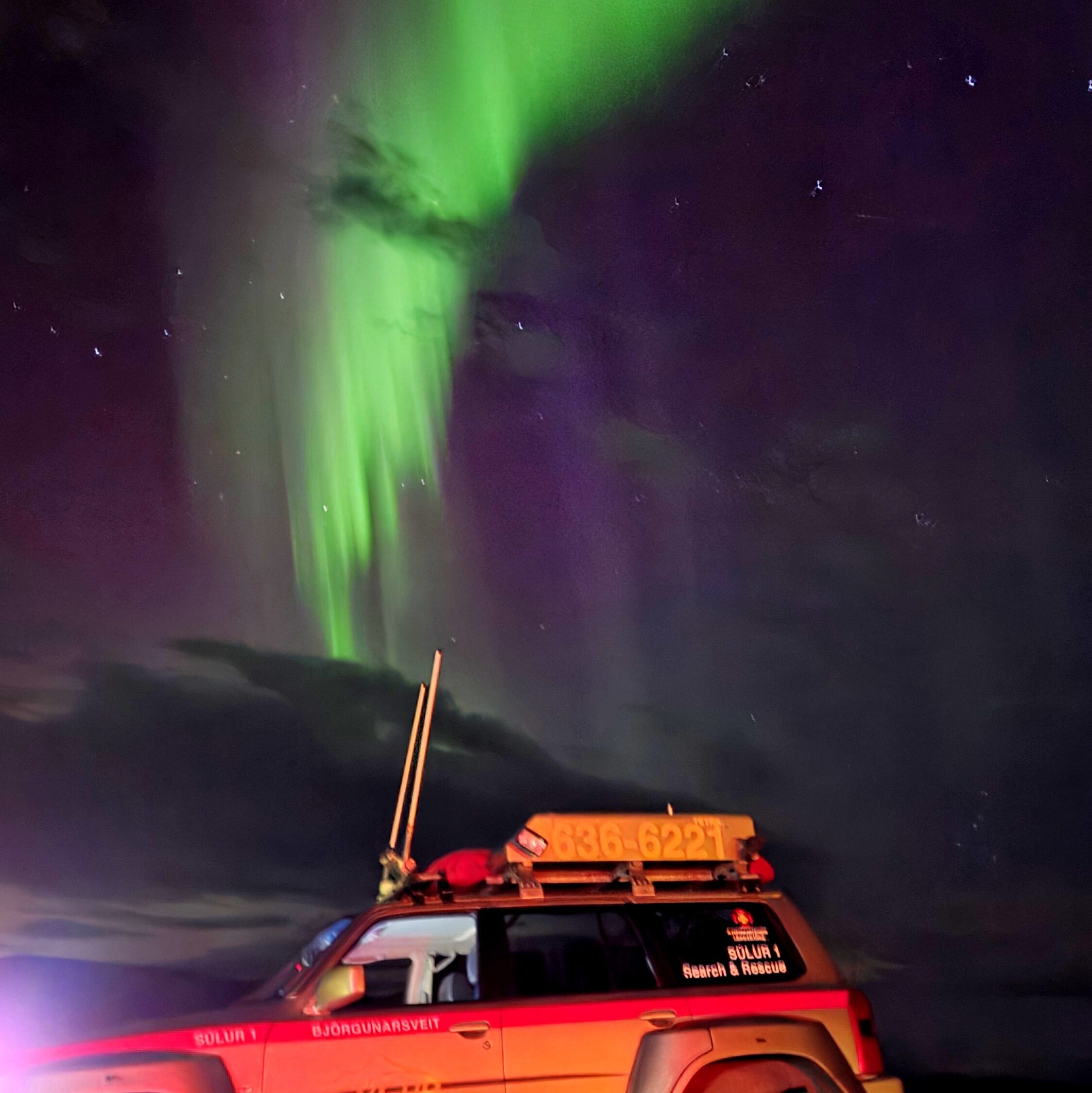
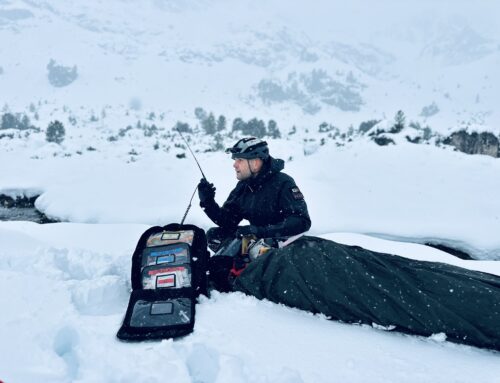
This photo was taken during a SAR exercise with local SAR team, fall 2025. Photo credit: Axel Ernir Viðarsson.
How important is the assessment of vital signs of your patients and what challenges do you face in harsh environments, bad weather, or during transport?
Vital signs, and especially trends, are absolutely critical. Without them, you don’t really know what’s happening with the patient. The initial measurement gives you a baseline, but it’s the trend over time that tells you whether the patient is improving or deteriorating.
The challenge is collecting and maintaining those measurements in the field. Traditional monitors are often bulky, heavy, and not practical in difficult terrain or during transport. Managing cables and equipment while moving a patient adds complexity.
That’s why having a compact, easy-to-use solution makes such a difference. Being able to monitor vital signs continuously without unpacking the patient or carrying large equipment simplifies care significantly.
You have already had the opportunity to get to know the mobile vital monitoring technology from cosinuss°. When did you first come into contact with the technology?
I was introduced to the technology about one and a half years ago through a distributor in Iceland. A mutual contact reached out and asked if I’d be interested in testing it, given my work in teaching and search and rescue.
After an initial meeting and introduction to the device, I was immediately impressed by the concept and happy to test it and provide feedback.
What were your impressions of using the c-med° alpha for vital signs monitoring?
From the start, I found the idea very compelling: having a small device in the ear, secured with a beanie, and being able to monitor key vital signs directly on a phone or laptop. It’s simple and practical, especially in environments where space and weight matter.
I’ve used it extensively in training courses, including international ones, and the feedback from participants has been very positive. For example, we used it during a 24-hour simulation exercise in Taiwan, and it integrated very well into the scenario.
People really like the concept, and it has proven to be reliable in many situations. For me, it was a clear decision to test it, and it has lived up to expectations.
In which situations or types of missions could you particularly imagine using cosinuss° technology?
Definitely in backcountry and wilderness scenarios – especially when you’re dealing with longer transport times. Whether it’s trauma or medical cases, having immediate access to vital signs and being able to track trends is extremely valuable.
For example, in trauma patients with suspected internal bleeding or multi-trauma, continuous monitoring can make a big difference. It helps you make better decisions in situations where time and resources are limited. Overall, the in-ear sensor is very user-friendly and easy to integrate into practice.
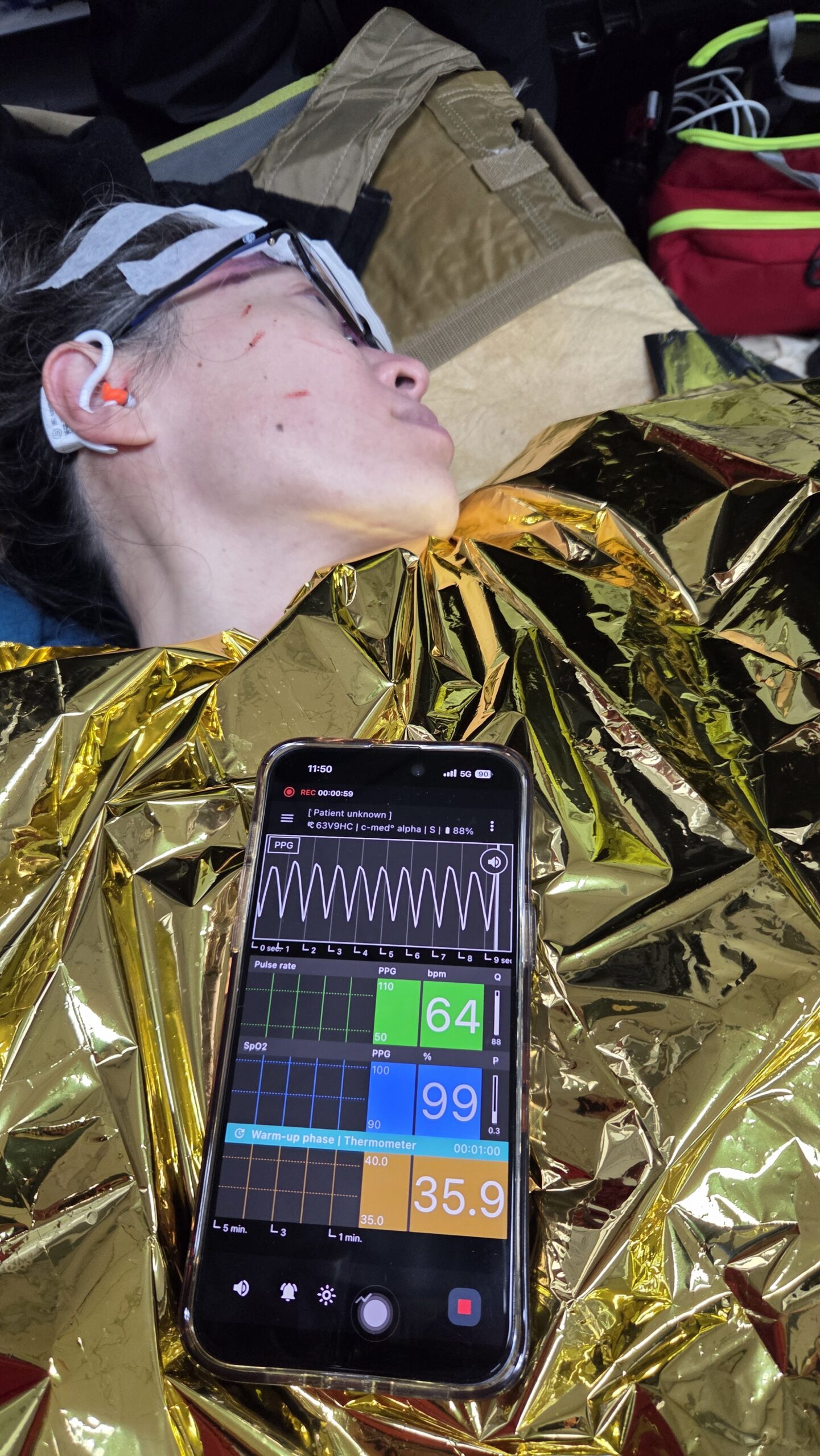
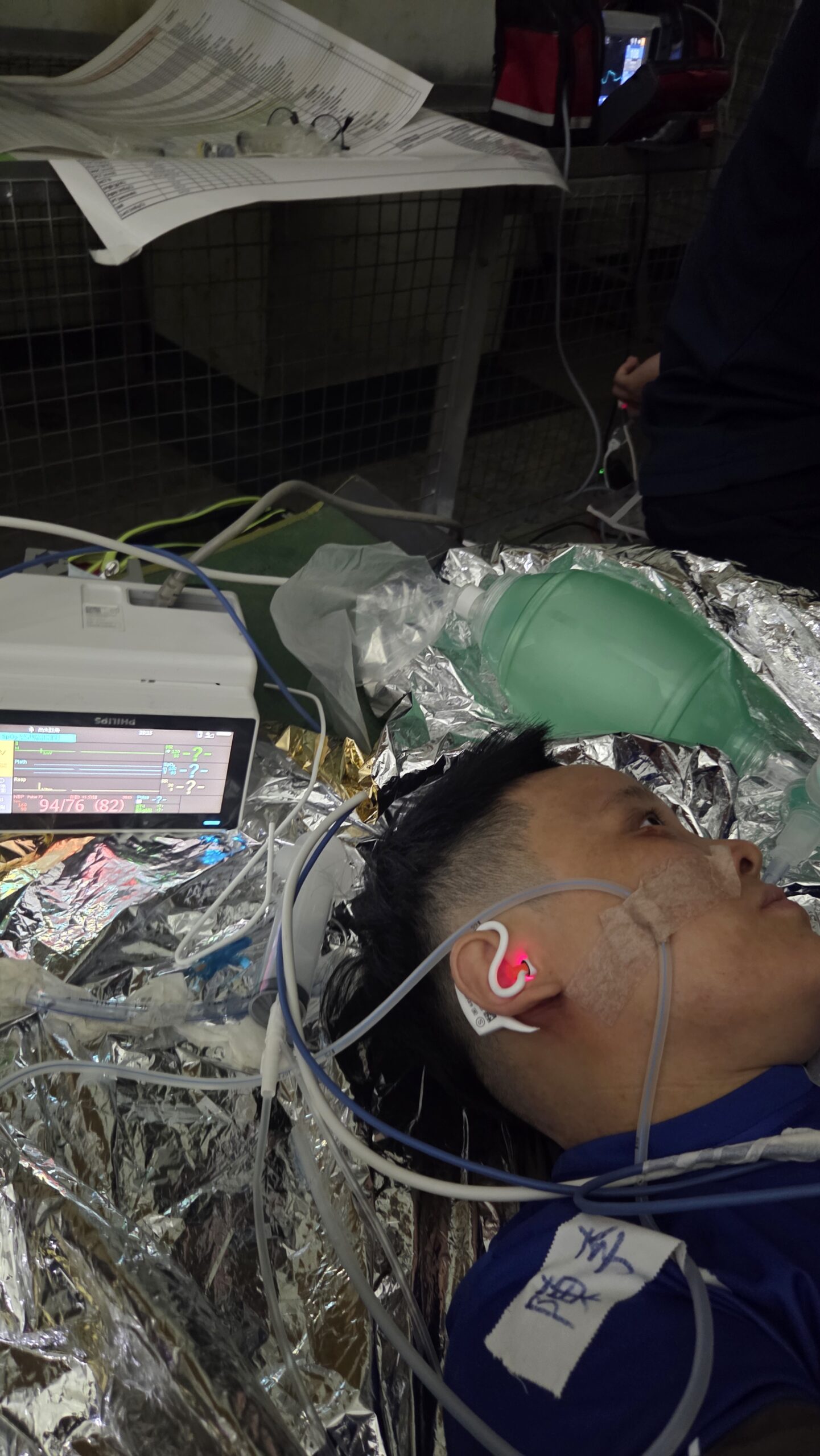
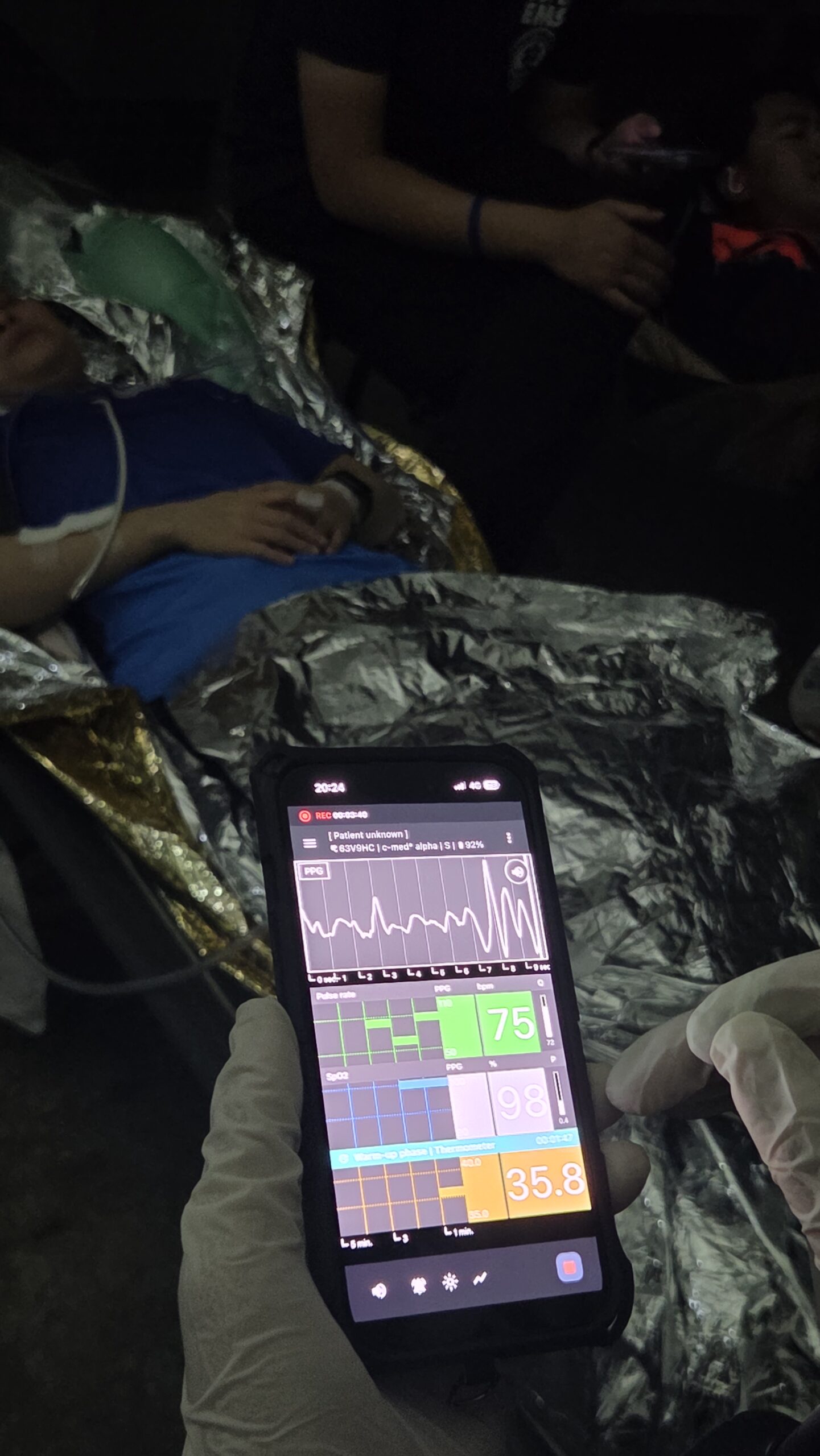
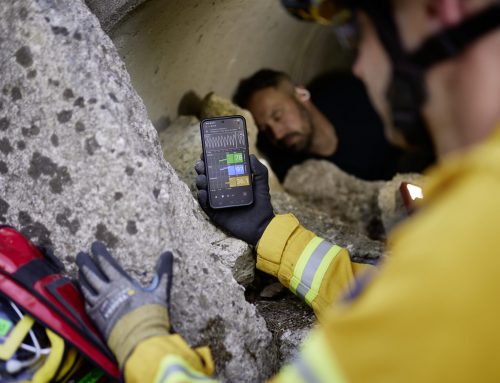
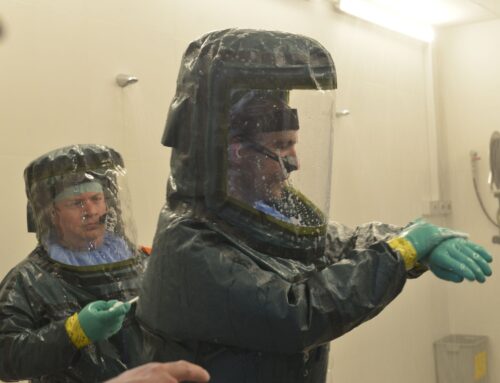
The photos were taken during a 24 hour simulation training in Taiwan. Photo credit: Axel Ernir Viðarsson.
Looking ahead, what potential do you see for continuous mobile patient monitoring in the future of rescue operations, wilderness medicine, and search and rescue missions?
I see a lot of potential. Technologies like the c-med° alpha can significantly improve patient care in remote environments. Especially since the sensor can complement existing patient monitors, such as the corpuls3 that we use, and expand their capabilities. I’ll definitely continue using it in my teaching and in real rescue situations.
The feedback I’ve heard from colleagues around the world – especially those working in Arctic conditions – has been very positive. The device is already proving its value.
Looking ahead, I think this kind of technology will continue to grow. Expanding capabilities, like adding blood pressure or respiration, would make it even more powerful. Overall, I’m very optimistic about the future and grateful to be able to work with and contribute to the development of such tools.