

“We’ve found reliable vital signs monitoring for extreme environments”
Providing medical care in the mountains poses a number of challenges, particularly due to the difficult terrain and extreme weather conditions. Rescue personnel therefore have to cope with several difficulties. Regular and specialized training in mountain rescue is essential for a successful rescue, as is the right equipment for monitoring patients. We spoke about these challenges with Marta Baggiani, anesthesiologist and intensivist, and Marcello Mora, paramedic and mountain rescue technician. Both are very experienced in mountain rescue and provided medical care for participants at this year’s Monte Rosa SkyMarathon. There, they had the opportunity to use the cosinuss° patient monitoring technology. In the interview, they shared their experiences with the new technology and explained why the sensor is particularly well suited for use in this demanding terrain – not only for extreme sporting events.
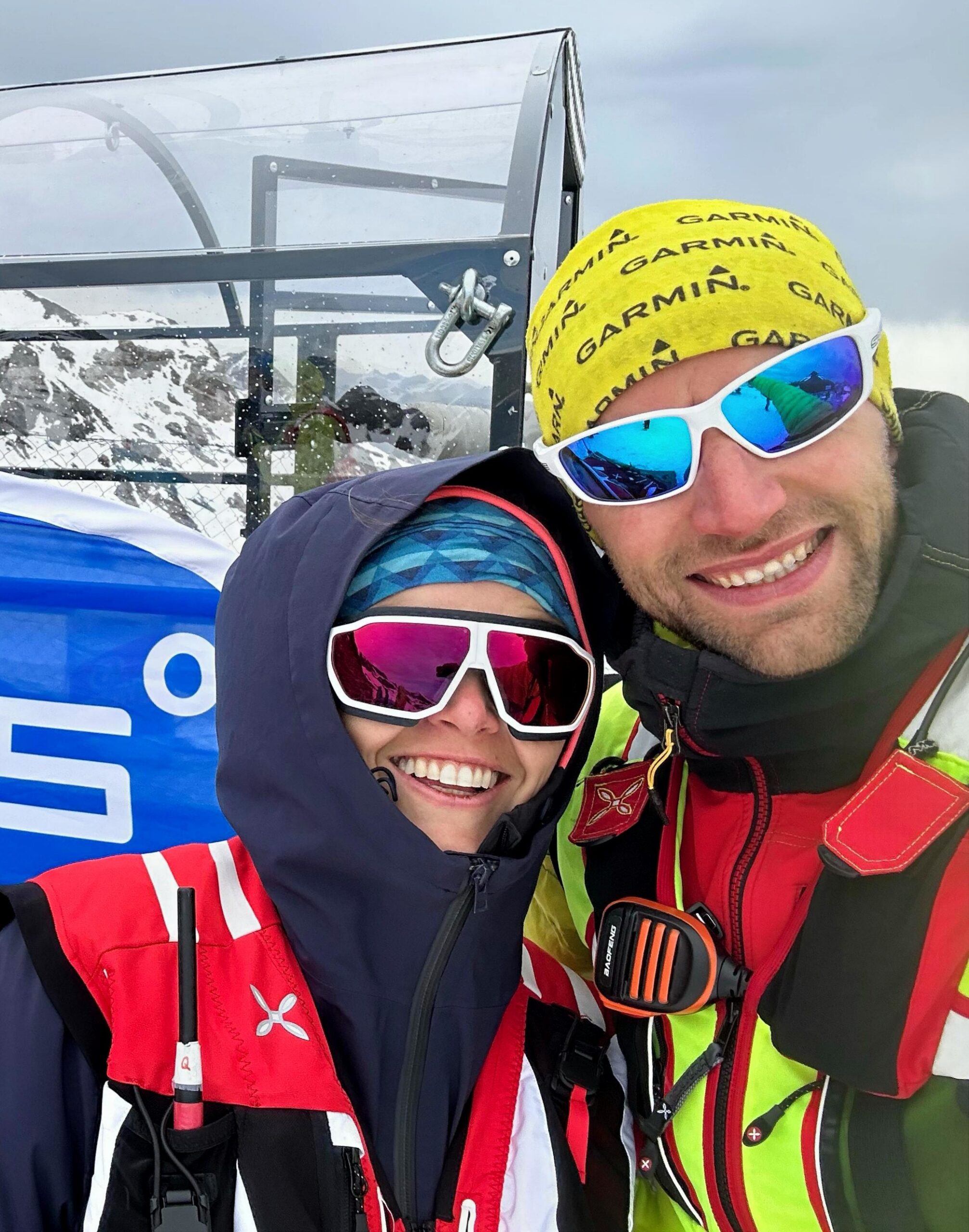
About the interview partners:
Marta Baggiani currently works as an anesthesiologist and intensivist in the Neurocritical Care Unit in Monza, Italy. She specialized in Mountain Emergency Medicine through the inter-university diploma program at the University of Grenoble, and each year she serves as a Ski Rescue Physician with Monterosa Ski, combining her medical profession with her passion for the mountains.
Marcello Mora is a paramedic working in the ambulance service in Switzerland. He was born and raised in Italy, where he is currently a mountain rescue technician and a member of the Corpo Nazionale Soccorso Alpino e Speleologico (CNSAS). He also holds a specialization in canyoning rescue, is a canyoning instructor, and a RESCUE3 Europe whitewater rescue technician.
Besides others, you two provided medical support at this year’s Monte Rosa SkyMarathon: What tasks were you responsible for at this extreme sporting event?
Marcello Mora: At the Monte Rosa SkyMarathon, my work was basically divided into two phases. The first phase was the preparation: I organized the medical rescue strategy together with the race director, who is a mountain guide and responsible for the technical rescue. That also included planning the equipment and positioning the medical staff along the route and at the rescue stations.
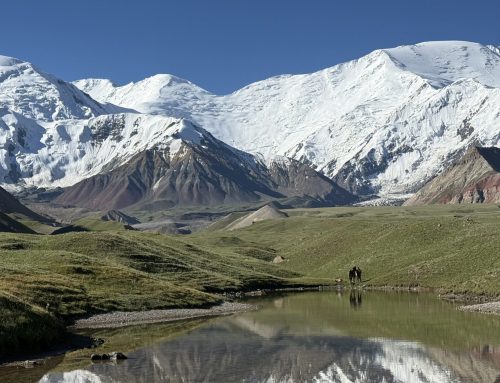
The second phase was during the race itself. I was responsible for the rescue station at Colle del Lys at 4,150 meters – the last medical rescue point before the summit. I have the advantage of being both a paramedic and a mountain rescue technician. This allows me to coordinate medical and technical services more effectively, because I understand the needs of both sides and try to bring them together as best as I can.
Marta Baggiani: My role was specifically medical rescue. I was one of the doctors on duty during the competition. There were several medical spots along the race route, staffed by doctors, paramedics, or nurses. This year, I worked as a doctor in the helicopter, responsible for evacuating people who needed to be rescued very quickly. So I moved around and helped wherever I was needed. Marcello organized all the medical spots, and we were always in contact to make sure help was sent exactly where it was required. That was my specific role. I think good cooperation and communication are really crucial in these situations.
In what ways do the extreme altitude and terrain of the Monte Rosa SkyMarathon present challenges for athletes and medical teams?
Marta Baggiani: The Monte Rosa SkyMarathon is really unique because it combines altitude, extreme weather, and very technical terrain. For the athletes, this means they are exposed not only to fatigue and lack of oxygen, but also to one of the main dangers of the mountain: hypothermia. Even in summer, the weather can change within minutes.
When athletes are exhausted, they lose much of their ability to regulate body temperature, which increases the risk. For us, the medical teams, the biggest challenge is patient evacuation. Because of the terrain and the weather, evacuations are often complicated and frequently delayed. That’s why we need to be ready to stabilize athletes on the spot and keep them safe until evacuation becomes possible. I think this is the main challenge of the Monte Rosa SkyMarathon.
As medical personnel, do you have to undergo special training before such an extreme sporting event?
Marta Baggiani: Yes, I think you definitely need to exercise. On the one hand, you have to train yourself physically – by going to the mountains, not only for pleasure but also to be prepared for the same weather conditions the athletes face. On the other hand, you need to train specifically for working in this kind of terrain. We take courses to maintain and improve our ability to work in these conditions and as part of a team. It’s completely different from working in a hospital, or even in other out-of-hospital environments. The mountains are very particular. Personally, I took a specialized course – actually a master’s program in France – designed for doctors who want to work in mountain environments. It provides knowledge on how to work in a team and how to treat patients in such challenging terrain. Of course, not all mountains are the same. Monte Rosa, for example, involves a glacier, which is very different from working in river areas or other types of terrain. So you really need to train for each specific environment where you might be working.
Marcello Mora: Rescuers and medical teams themselves are also affected by fatigue and exhaustion in this environment, not only the patients. We’re human beings too, and we are subject to altitude and lack of oxygen. That makes it much harder to carry out a rescue, because sometimes we can’t make decisions as clearly as we would in other environments.
How do you prepare for situations in an environment with so many participants, like the Monte Rosa SkyMarathon?
Marcello Mora: The Monte Rosa SkyMarathon is quite a big event, considering that it takes place in particularly difficult terrain. We had at least 150 pairs of athletes, since the race is run in teams of two. That means about 300 athletes on the glacier. And this year, the organizers also added another race, the Monte Rosa SkyMarathon Summit, a vertical race with 3,000 meters of elevation gain, which had more than 100 participants.
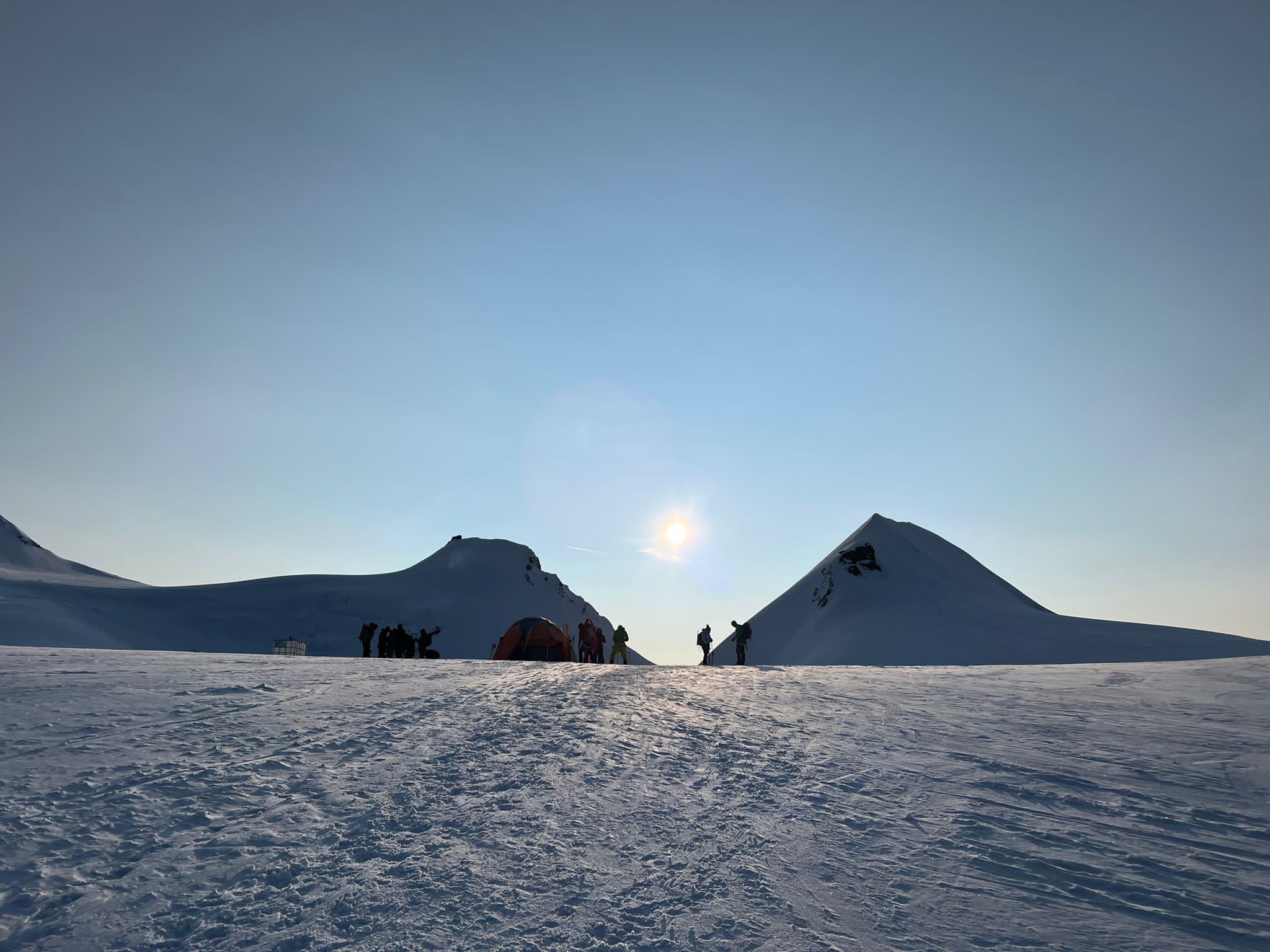
As I mentioned before, preparation for these kinds of events is crucial and starts months in advance. We’ve been providing rescue services for this race for several years now, so our strategy is well established. Still, every edition has its own particularities – depending on the route, the weather, and the number of participants. We set up three rescue stations along the route. The two highest were on the glacier. They were mobile structures, transported to the site by helicopter a few days before the race, and equipped with everything needed to handle almost any medical emergency. Mountain rescue doctors, nurses, and technicians were stationed along the route as well, to provide rapid assistance anywhere on the course, which is nearly 20 kilometers long. Evacuation, of course, had to be carried out by helicopter. In addition to the official emergency service helicopter, there was also a private helicopter with an emergency doctor on board, dedicated solely to the race. With two helicopters working together, we could reach and evacuate patients from virtually any point along the course.
What are the most common medical issues you typically encounter during events like the Monte Rosa SkyMarathon, and what steps do you take to deal with them?
Marta Baggiani: As we already mentioned, fatigue and hypothermia are big issues. But there are also other problems we see. Altitude sickness, for example, can affect not only the athletes but also members of the staff working at the event. Then there are injuries from falls, which are quite common because the terrain is very difficult. The team does its best to make the route as safe as possible, but we’re on a glacier – there are no real paths – so slips and falls can happen.
But probably the most dangerous condition, because it develops quickly, is hypothermia. It’s not necessarily difficult to treat in medical terms – we recognize it, which in this terrain is not always easy, and then we warm the athletes, insulate them, give warm fluids if possible, and monitor them closely. The real challenge is evacuation. Because of the terrain and the weather, it can take a long time. Even though we have helicopters, sometimes they can’t reach the patient – for example, in strong winds or bad weather. Then we have to find other ways to evacuate, which can take hours. So we always need not just a plan A, but also plans B, C, D, and so on. That’s what makes mountain rescue so challenging – but also so interesting for us.
Marcello Mora: Yes, for example, I remember an evacuation where the last participants arrived two hours after everyone else. The weather was terrible – it was snowing, and one athlete was completely freezing. We couldn’t use the helicopter, so we had to ski down with him and then continue on foot to get him to a place where evacuation was possible. It wasn’t easy – and certainly not fun – but it shows the reality of rescue in these conditions.
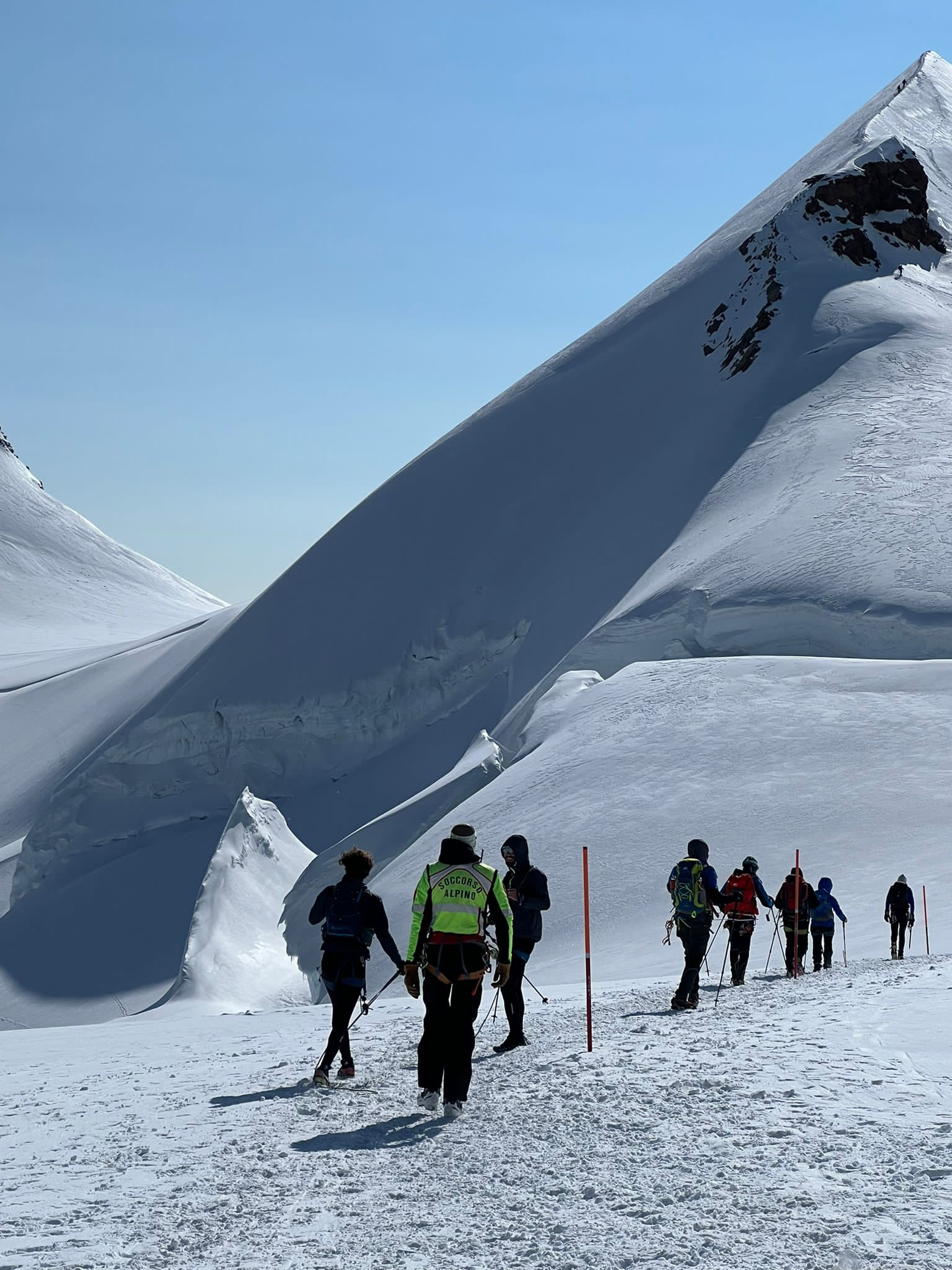

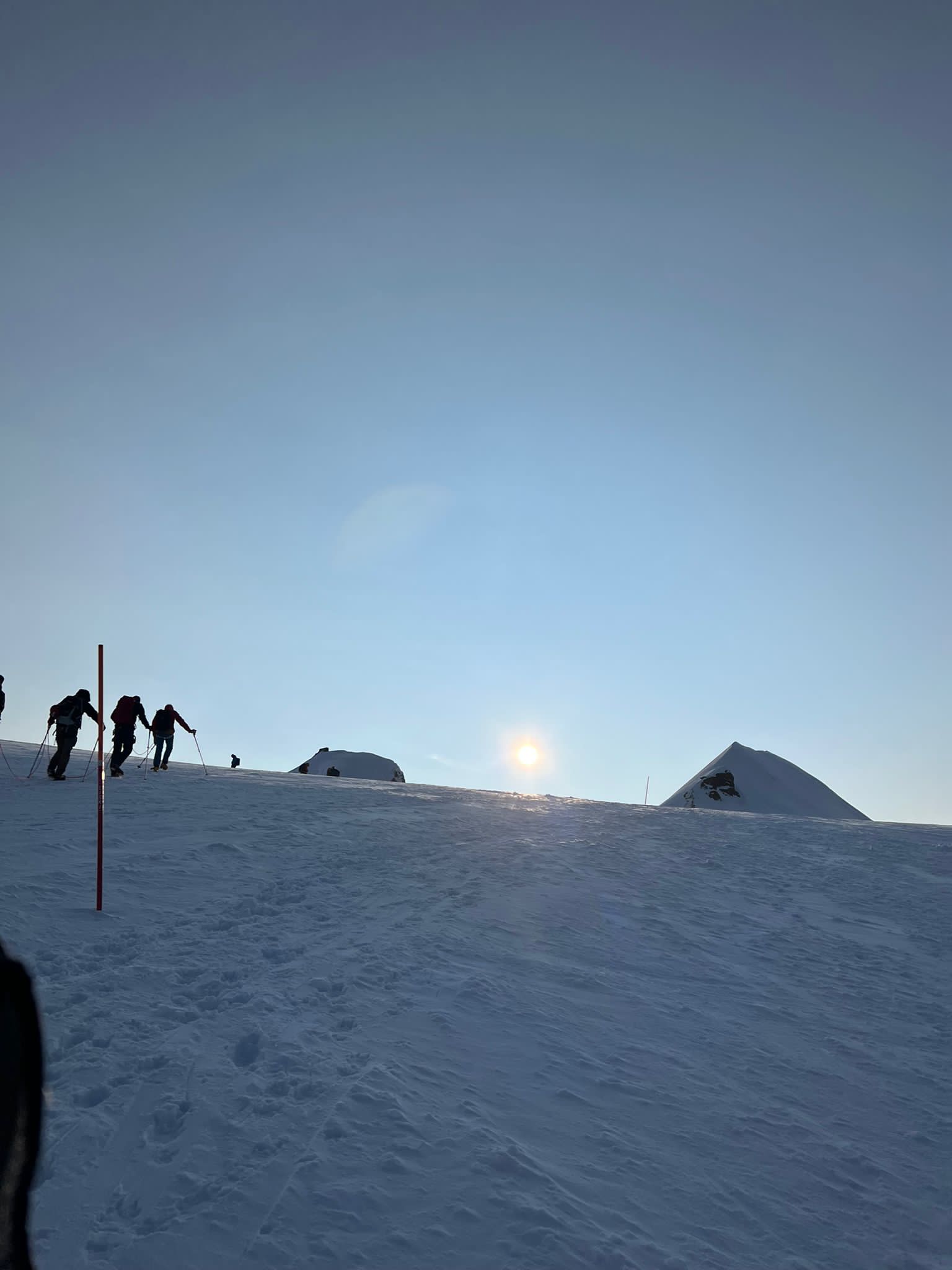
Medical Care at Monte Rosa SkyMarathon 2025 (Photo credit: Marcello Mora)
How did you first hear of the cosinuss° patient monitoring system and what was the decisive factor in testing the technology for the Monte Rosa SkyMarathon?
Marcello Mora: Marta and I first learned about cosinuss° at a medical conference in Italy last March that focused on rescue in difficult environments. That’s where we met the team and their sensors. What immediately convinced us to test the system was the possibility of obtaining accurate vital sign measurements that are minimally affected by environmental conditions. In rescue situations, we’ve often observed that finger pulse oximeters are completely unreliable in the cold, because of low temperatures and vasoconstriction in the extremities. Even thermometers – especially classic infrared ones – can be inaccurate, as they are strongly influenced by external temperatures. And as I mentioned earlier, the greatest challenge is always the environment. In high mountain rescue, whether during the Monte Rosa SkyMarathon or other missions, altitude and weather conditions are key issues we always have to consider. In the past, this often meant that we couldn’t reliably monitor patients because we simply didn’t have sensors suitable for such an environment. With cosinuss°, we’ve found a solution: a device that provides reliable vital signs monitoring, unaffected by cold, wind, or altitude. That’s a huge advantage for us. We also had the chance to test the sensor beforehand in calm and warm conditions – even while chewing, talking, and moving – and it still performed reliably enough. So for us, this technology is a great plus.
What benefits do you think cosinuss° provides to medical care during sports events?
Marta Baggiani: We both clearly saw the advantages that cosinuss° offers in monitoring, which is why we decided to test it in a real environment. Probably the most important aspect, as Marcello already mentioned, is that the device is very small, non-invasive, and simple to apply. This means not only doctors can use it, but also volunteers, which is very helpful if the medical team is busy with other tasks. It’s also easy to apply in difficult conditions. We have to remember that on the glacier, our patients are always covered, and we can’t simply uncover them completely as we would in a hospital setting. That’s why it’s so valuable to have real-time monitoring: in the mountains, it’s much harder to detect changes in a patient’s condition just by observation.
Another big advantage is that the system is wireless. It doesn’t interfere with the movement of athletes during evacuation. We simply apply the sensor, and then we can monitor the patient on a phone or tablet while they’re being transported. This allows us to keep continuous, real-time information, act before a situation becomes critical, and always keep a close eye on the patient. And that, I think, is crucial for medical staff in these environments.
How did you use cosinuss° technology during the Monte Rosa SkyMarathon, and how did it help you to support the athletes?
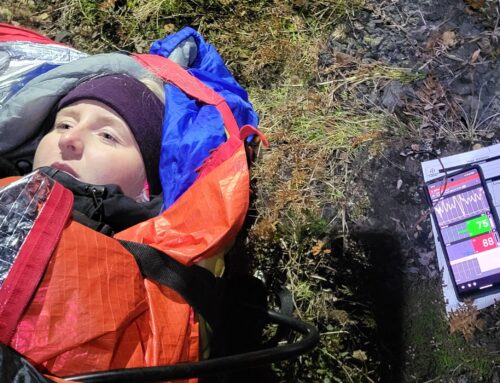
Marcello Mora: During the last edition of the Monte Rosa SkyMarathon, we were fortunate not to have any major emergencies. Still, we had to assist several athletes suffering from exhaustion, hypothermia, cold-related injuries, and some minor trauma. For every rescued athlete – even in less severe cases – we applied a cosinuss° sensor in the ear canal. This allowed us both to train with the device and to obtain reliable vital signs, which is usually very difficult in such an environment. At high altitude, it’s normal from a physiological point of view to see reduced oxygen saturation values. What impressed me with the cosinuss° sensor was that the readings were consistently reliable, supported by a clear plethysmographic wave, a correct perfusion index, and a continuous quality index. Normally, if I see an oxygen saturation of 75%, I have to wonder: is this a true value, or is it distorted by vasoconstriction, cold, or environmental factors? With this sensor, I can trust the data and know that the vital signs are reliable at every moment. For us, that is extremely important.
Marta Baggiani: Another interesting observation we made was about the new rescue stations – the mobile huts that are transported by helicopter to the glacier. This year, they were closed structures with doors, which made them much warmer than the years before. They turned out to be excellent for rewarming hypothermic patients. When we applied the cosinuss° sensor and then left the patient inside for a while, we could actually watch the temperature rise in real time. That was very reassuring for us. It showed not only that the shelters were effective, but also that the sensor confirmed our treatment was working. That combination was really valuable.
Have you used the sensor in scenarios other than sports events? If so, where was that and what was your experience with it?
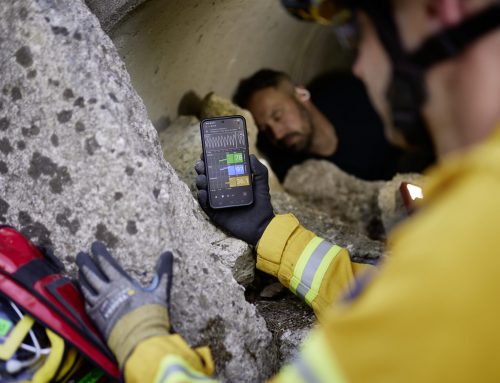
Marcello Mora: Yes, I had the opportunity to use the cosinuss° sensor in a real rescue operation this summer, in a water canyon. A canyoneer had severely fractured his lower leg after a dive. We performed the medical rescue directly in the canyon, first moving the patient to a safe and dry place, then stabilizing the fracture and administering painkillers before evacuation. Later, with the arrival of a second team, we extracted the patient vertically from the canyon up into the woods, where he was finally evacuated by helicopter.
The entire rescue took about three hours. From the moment the patient was stabilized, I applied the cosinuss° sensor and was able to continuously record vital signs on my phone – even while the patient was secured inside a watertight stretcher. The sensor proved essential in this situation: the water temperature was only 7–8 °C, and the patient’s extremities were completely cold and bluish. No finger pulse oximeter would have given reliable readings under those conditions. Infrared thermometers also don’t work well, especially when the patient has water in the ear canal. With cosinuss°, however, I was able to obtain reliable vital signs and accurate temperature readings throughout the entire rescue.
Marta Baggiani: This is exactly where the cosinuss° sensor shows its value. In difficult rescues, like canyoning for example, even if you have a conventional monitor, it’s usually impossible to keep it on the patient – it’s too heavy, it can get lost, or you simply can’t see it during evacuation. With cosinuss°, that problem doesn’t exist, because you can always monitor the patient via your phone.
I also tested the sensor during a long training exercise on a glacier. The scenario simulated rescuing two victims at an altitude of 3,000 to 3,600 meters, and the whole operation lasted about five hours. I applied the sensor to both “victims,” and the battery lasted perfectly from beginning to end. Even though it was only an exercise and the patients weren’t really sick, we could still observe parameters like body temperature – which is important in a glacier environment where hypothermia is always a risk. What I particularly appreciated was that throughout the exercise I could continuously monitor the data in real time. And I found myself thinking: if these had been real patients, this information would have been incredibly valuable to ensure their safety during the entire rescue.
How do you see the future role of the cosinuss° technology in your field of practice?
Marta Baggiani: Since the Monte Rosa SkyMarathon takes place every year, I’m sure we will continue to use the sensor there. I think it’s important to keep testing it in real environments, because that way we can discover aspects that might be improved, or situations where it’s particularly valuable.
Even beyond mountain rescue, I see potential applications in hospitals. For example, when patients are transported from intensive care to a CT scan, it would be much easier to use a small wireless monitor instead of moving them together with a large bedside device. So yes, it could also be useful inside hospitals, even though here we are mainly talking about out-of-hospital scenarios.
And looking further ahead, I think there are many possible applications. For instance, in very long competitions that last several days, it would be great to monitor athletes continuously, even when they are spread out over remote areas that are difficult to access. This way, we could detect problems early and intervene before a situation becomes critical.
I will also bring the sensor to the Winter Mountain Rescue Course, a large training event in the Alps that takes place every March. It’s four days of simulations, lectures, and field exercises, where mountain rescue and avalanche rescue operators train under realistic conditions. We simulate avalanche burials by digging snow caves where “patients” stay for a long time in the cold. I think it would be very interesting to use the cosinuss° sensor there, because continuous monitoring in such scenarios could provide invaluable data.