

How the cosinuss° in-ear sensor can improve patient care in hard-to-reach collapsed structures
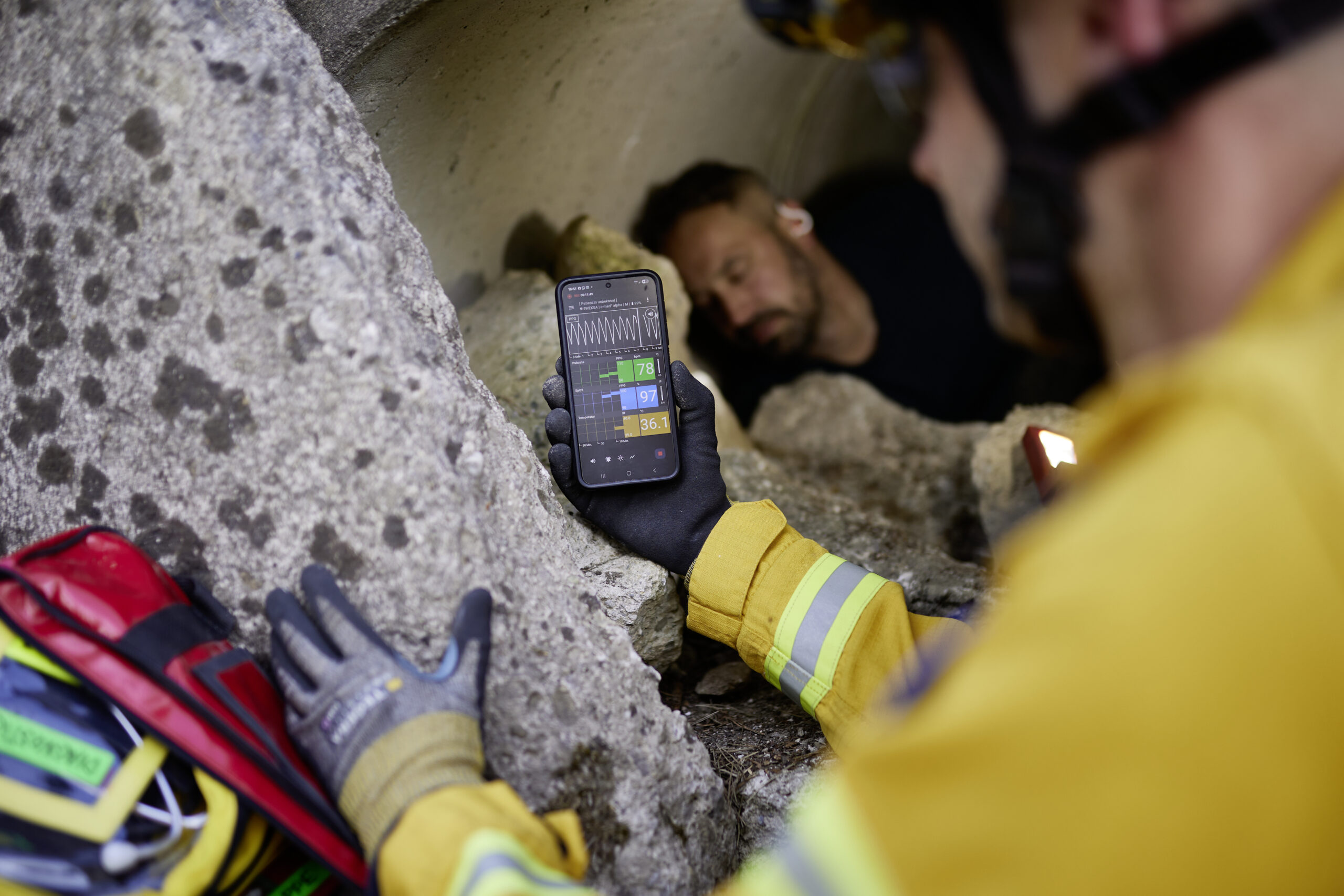
Earthquakes, collapsed buildings, and hard-to-access operational environments pose unique challenges for rescue teams. Especially in such situations, continuous monitoring of vital signs can be crucial to ensure that patients receive the best possible care even under the most difficult conditions.
Florian Reuter, an emergency paramedic from Wipperfürth and member of the USAR team of @fire – Internationaler Katastrophenschutz Deutschland e.V., knows these operational scenarios firsthand. In this interview, he talks about working in urban search and rescue, the requirements of USAR medicine, and the role of mobile monitoring technologies in caring for people trapped under rubble.
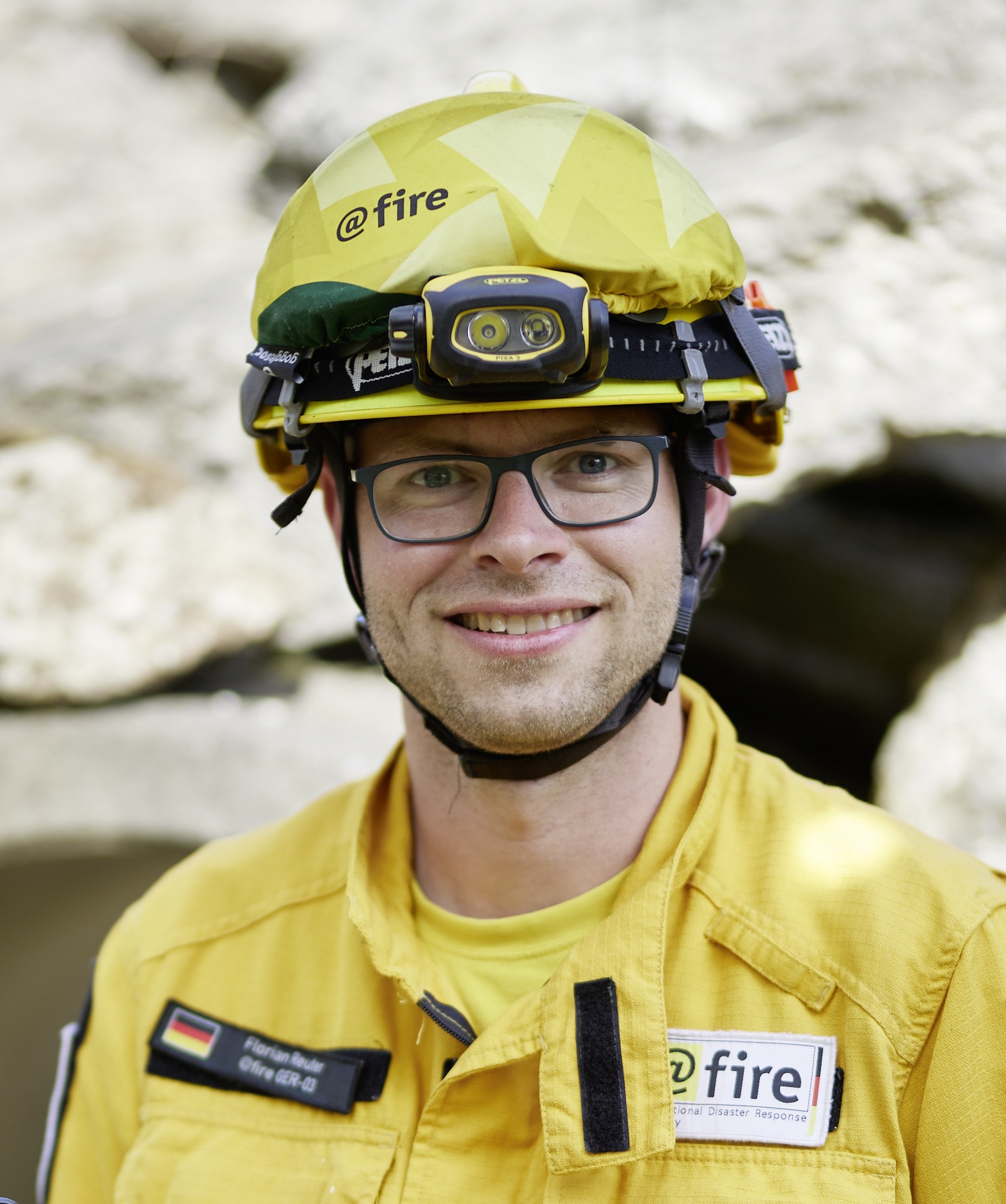
About the interviewee:
Florian Reuter, 35, is from Wipperfürth in North Rhine-Westphalia, Germany. As an emergency paramedic, he is part of the USAR (Urban Search and Rescue) team of @fire and is deployed worldwide after earthquakes to help people in disaster areas.
Mr. Reuter, you have been working in emergency medical services and various areas of emergency medicine for many years. Could you tell us something about your professional background and how you became involved in USAR emergency medicine?
I have been working in emergency medical services since 2015. At that time, I was training as an emergency medical technician and later continued my education to become an emergency paramedic.
Besides my job in emergency medical services, I am an active volunteer with the aid organization @fire. @fire provides a search and rescue team that is deployed worldwide after earthquakes. As part of the operational team, I have been involved in specialized medicine for international deployments for many years and have completed various additional qualifications.
A particular challenge during earthquake deployments is USAR medicine. USAR stands for “Urban Search and Rescue”. It involves treating patients deep beneath the rubble of collapsed buildings.
You bring experience from emergency medical services and firefighting. Which of these experiences are especially valuable for your USAR missions today?
The extensive training as an emergency paramedic and my many years of operational experience provide an important foundation for providing effective assistance during USAR missions as well. During international deployments, language barriers, climate conditions, limited resources, and the physically demanding and lengthy work are particular challenges.
The specific medical techniques and treatment strategies can be learned relatively easily, but the most important thing is comprehensive training and operational experience in order to provide full emergency medical care under these circumstances.
What challenges do you and your team face during medical operations in collapsed structures or hard-to-reach environments?
When we as an @fire team encounter a patient during a USAR operation, they have usually already been trapped under the building for several days. The first contact is established using our telescopic camera. This allows us to assess the patient, communicate with them, and provide them with water, for example, via the long telescopic rod.
Only once heavy equipment has created access through the rubble can we properly examine and treat the patient. It can then still take several hours until the rescue is completed, meaning we have to continuously care for and treat the patient inside the rubble for a long time.
How important is continuous monitoring of vital signs in such scenarios – especially during the phase before a patient can be fully reached or freed?
One major danger during the rescue of patients is what is known as death after extrication. Our patients can often develop a “crush syndrome” due to entrapment or prolonged immobilization, which can lead to life-threatening complications during rescue.
When injured and trapped limbs are released, breakdown products are flushed into the body. These can quickly cause severe complications such as cardiac arrhythmias. Therefore, vital signs must be continuously monitored before, during, and after rescue from the rubble in order to respond immediately to changes, for example in heart rate.
Continuous monitoring can be lifesaving in this situation.
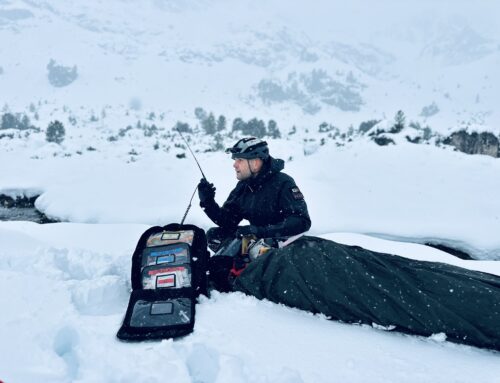
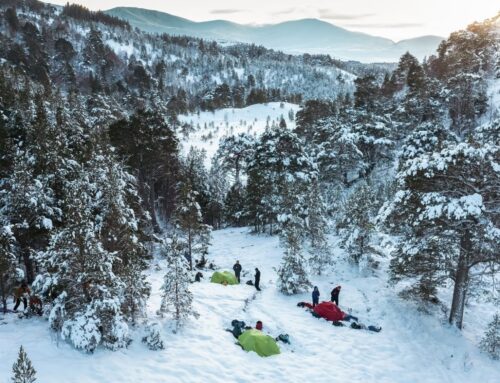
This photo was taken during a training course on technical search and rescue from rubble, organized and conducted by @fire. Image credit: @fire Internationaler Katastrophenschutz Deutschland e.V.
How did you become aware of cosinuss° monitoring technology?
I saw a post on social media and immediately looked up more details about the sensor and read the user experiences on the blog. After getting in touch, we quickly received confirmation that we had the opportunity to test the sensor under our specific requirements.
You tested the cosinuss° In-Ear Sensor and the app as part of a training course for technical search operations in collapsed structures. Can you describe how the test scenario was set up and what insights you gained?
At a training site, we practiced the technical localization of trapped persons using acoustic sensors and various camera systems. Among other things, we trained at a rubble pile that can be accessed through an underground pipe system.
This allowed us to realistically locate and communicate with a hidden person using our search equipment. Once our patient had been found, we examined them via camera, assessed entrapments, and asked questions.
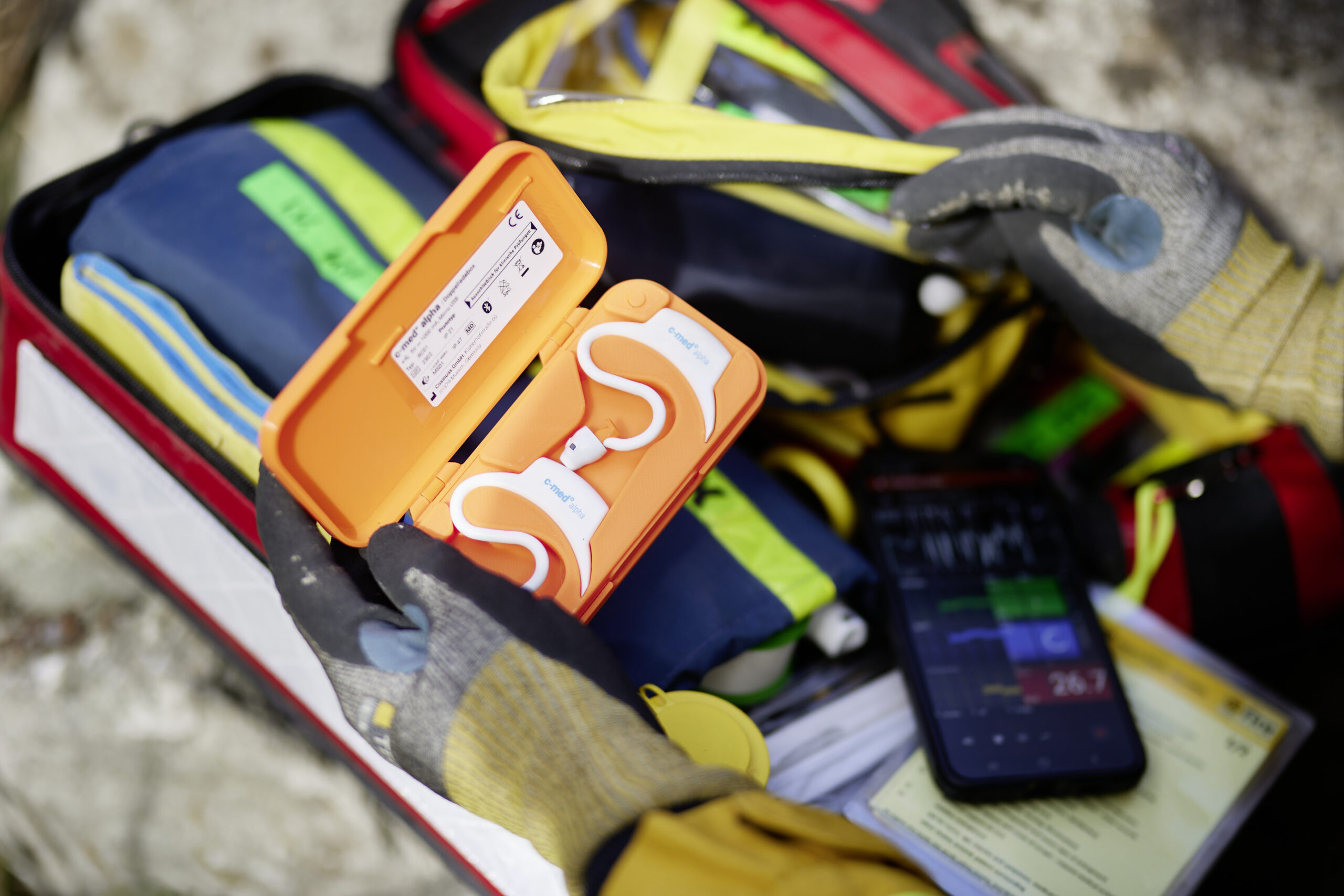
We were able to pass the ear sensor to the patient through a small opening and explain how to apply it themselves. Since the sensor is inserted like an in-ear headphone, it can easily be self-applied.
Alongside the camera image and communication via a microphone, we were therefore also able to monitor vital signs. We were also able to test signal transmission from inside the rubble to the outside by simulating different angles and distances to the patient.
From your perspective, what specific advantages does the cosinuss° In-Ear Sensor offer when caring for and rescuing trapped persons?
The biggest advantages are the simple application, which can also be performed by patients themselves, as well as the ability to work wirelessly while monitoring the patient from a safe distance.
Especially in confined rubble structures, equipment constantly gets caught, and rescue operations cannot always be performed extremely carefully. Monitor cables or finger sensors can quickly become trapped or even tear off.
The cosinuss° sensor sits securely in the ear and is additionally protected by the patient’s helmet.

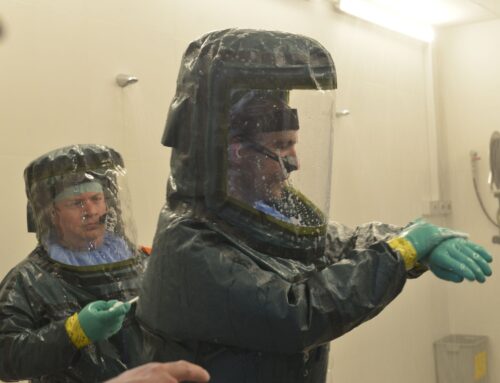
Florian Reuter at a training course on technical search and rescue from rubble, organized and conducted by @fire. Image credit: @fire Internationaler Katastrophenschutz Deutschland e.V.
Does it make a difference if a sensor can also be applied by the patients themselves?
As already mentioned, this is particularly helpful in USAR medicine. Often, the patient can initially only be reached through a small opening or a borehole created by a core drilling device.
With our telescopic camera, we can reach several meters into the rubble and, alongside water, attach the sensor to the camera head. This enables early monitoring without the patient having to be connected with cables.
How important are the size and weight of the monitoring technology used in your use case?
The compact size is an important factor when it comes to handling the equipment inside rubble and during rescue operations. The sensor does not interfere with patients; it sits securely in the ear and a helmet can still be worn over it.
Which parameters are essential from your perspective, and which additional ones would you like to see in the future?
The parameters currently recorded already enable comprehensive monitoring. Pulse rate and oxygen saturation allow us to assess the circulatory situation and respiratory efficiency. Body temperature provides important feedback on heat preservation measures.
If, in the future, blood pressure measurement and a simple ECG could also be displayed, this would make the ear sensor a universal monitoring device and could replace conventional monitor units with cables in specific operational situations.
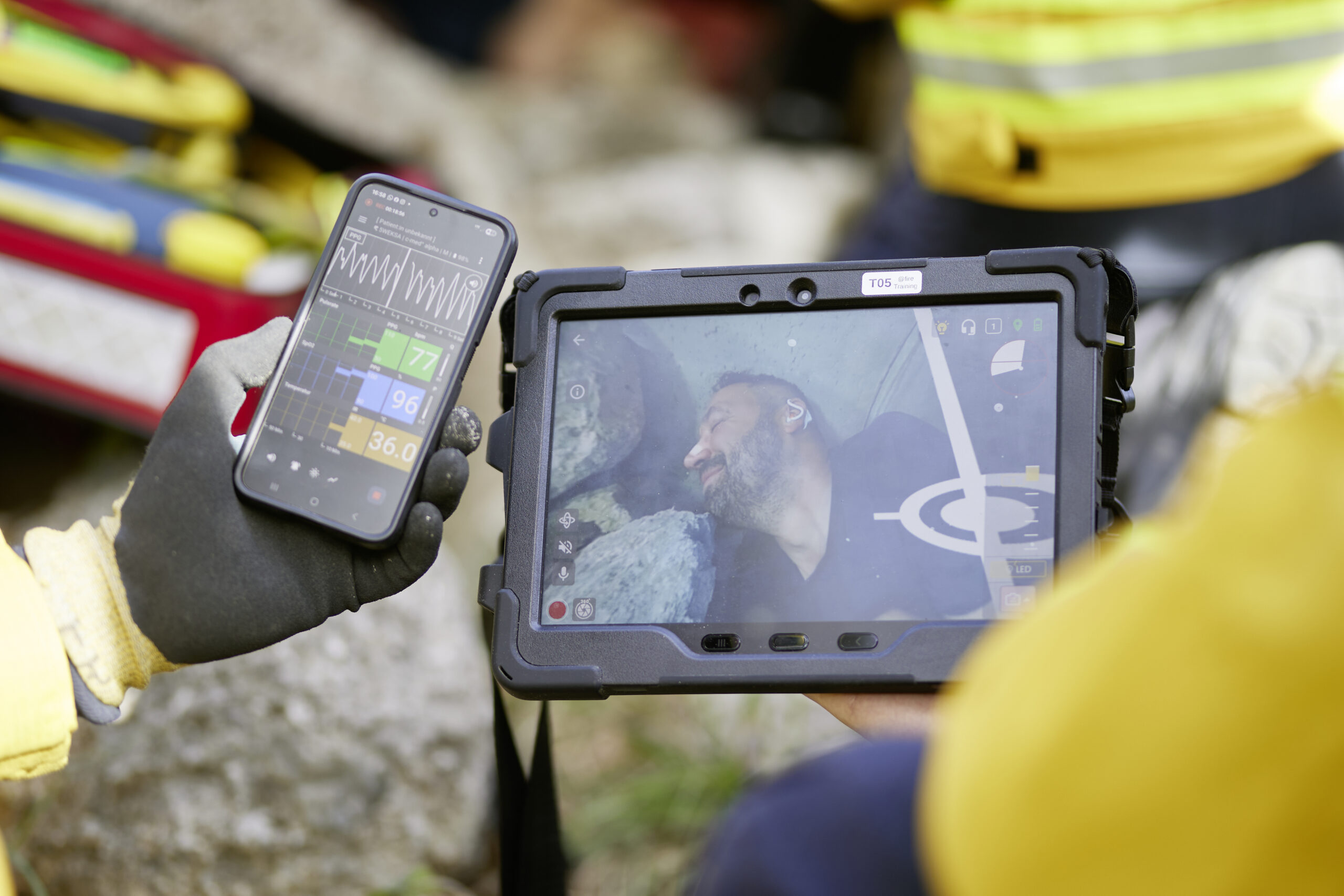
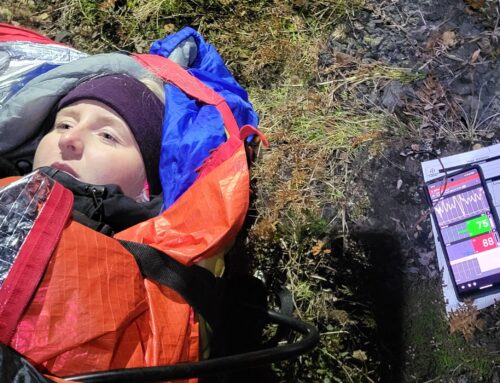
Simulated monitoring of a patient using a camera, tablet, and the cosinuss° monitoring system (during the training course on technical search and rescue from rubble). Organized and conducted by @fire. Image credits: @fire Internationaler Katastrophenschutz Deutschland e.V.
When you think about the future of rescue and USAR operations: What role could cosinuss° mobile monitoring technology play?
I can imagine that in the future, during rescue operations as well as in special scenarios such as mass casualty incidents (MCI) or traffic accidents, the ear sensor could become a standard part of patient monitoring.
As an accessory for the C3, I would already use the sensor in everyday emergency medical services.
Due to its many advantages, this technology could become established among all USAR rescue teams and significantly simplify the challenging care of patients during rubble rescue operations.