


Reference projects
The cosinuss° monitoring technology has been used and tested in numerous studies and pilot projects in recent years. Here you will find a selection of previous reference projects.
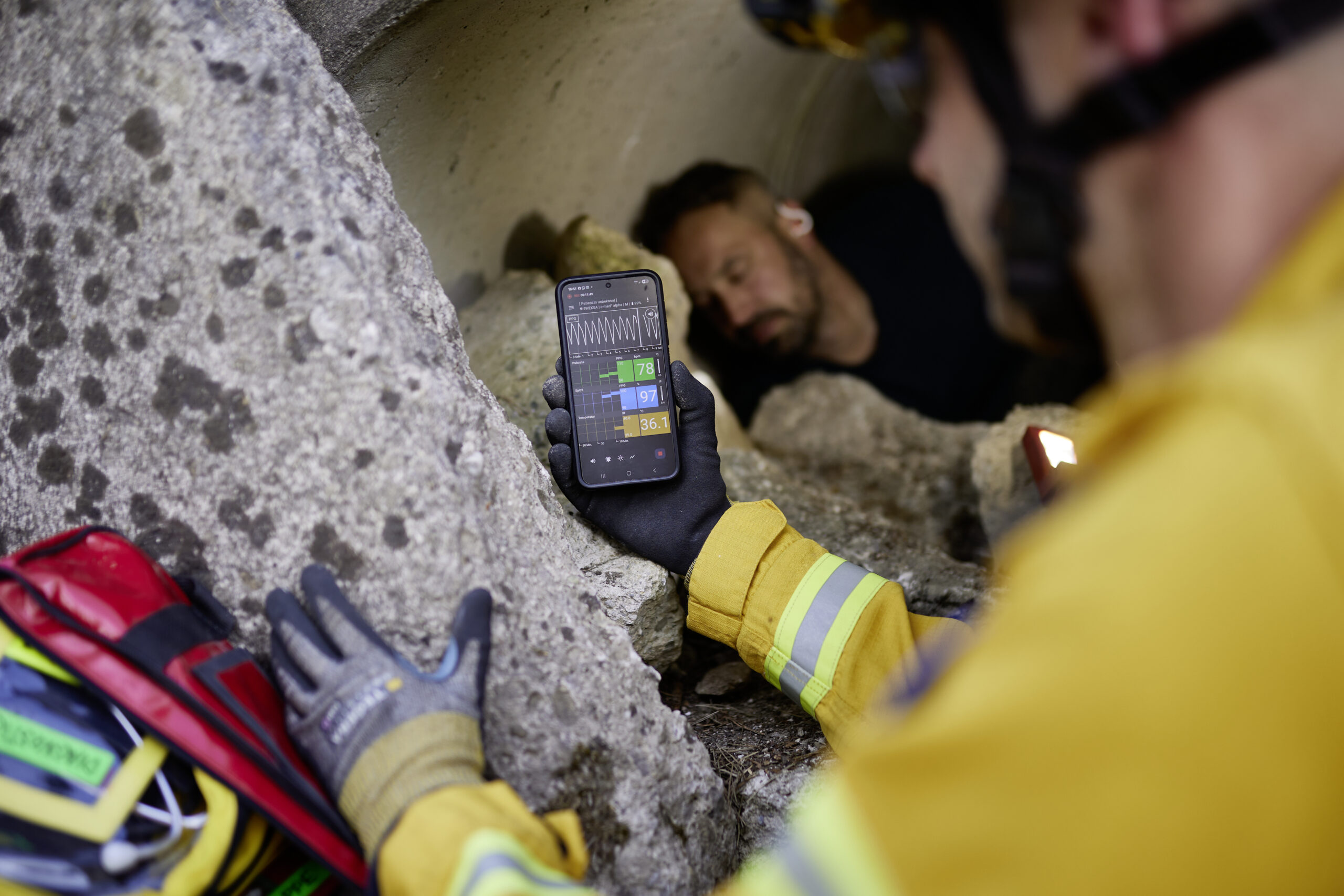
Interview: Rescue from the rubble: Mobile vital signs monitoring in USAR operations
Earthquakes, collapsed buildings, and hard-to-reach incident sites pose unique challenges for emergency responders. Especially in such situations, continuous monitoring of vital signs can be crucial to providing patients with the best possible care, even under the most difficult conditions. Florian Reuter, a paramedic from Wipperfürth and a member of the USAR team at @fire – Internationaler Katastrophenschutz Deutschland e.V., has firsthand experience with these types of situations.
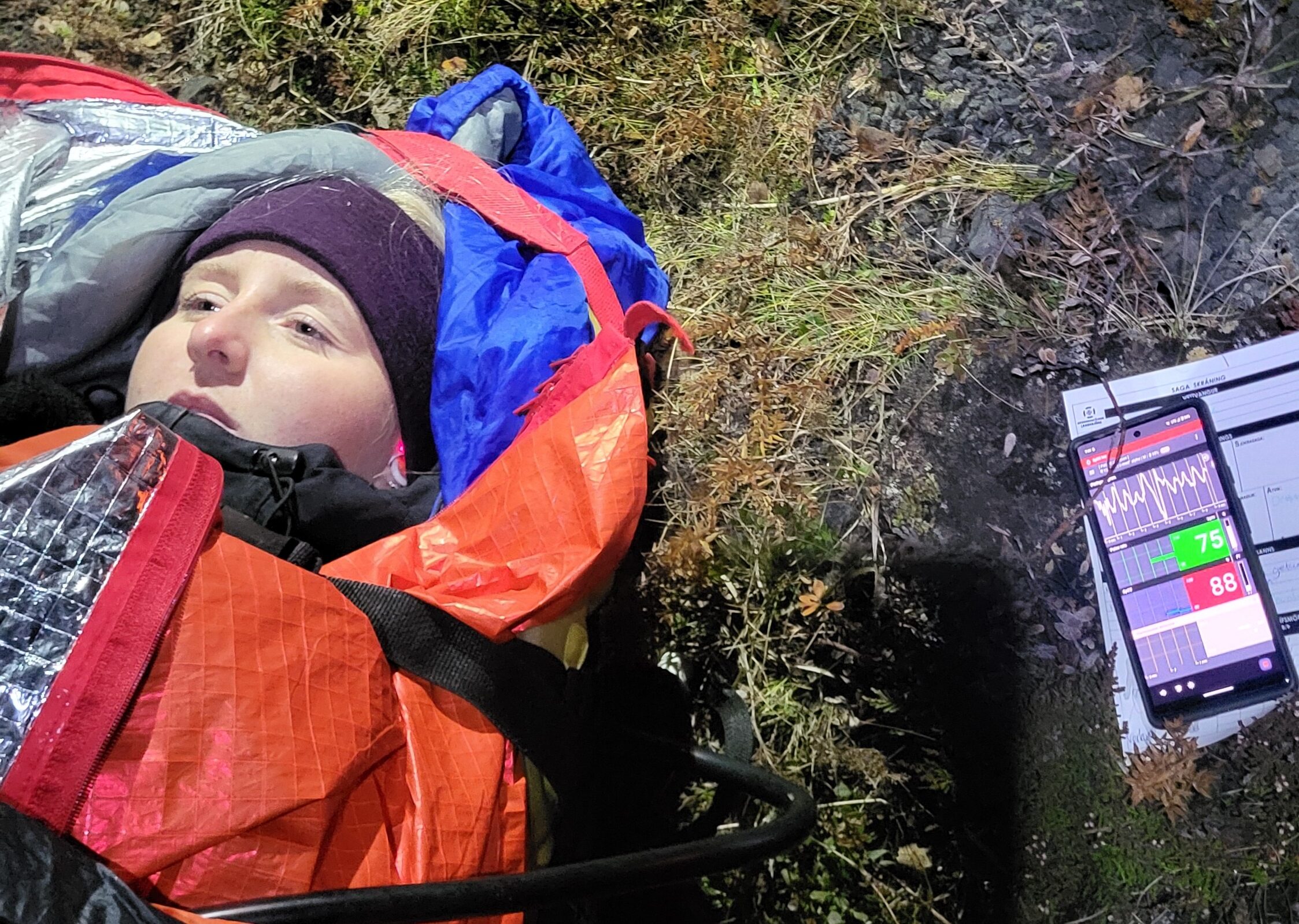
Interview: Advancing patient care in wilderness medicine
Providing medical care in remote and extreme environments requires experience, adaptability, and the right tools. Axel Ernir Vidarsson, a professional firefighter, emergency medical technician (EMT), and longtime search and rescue expert from Iceland, has been working and teaching under precisely these conditions for nearly two decades.
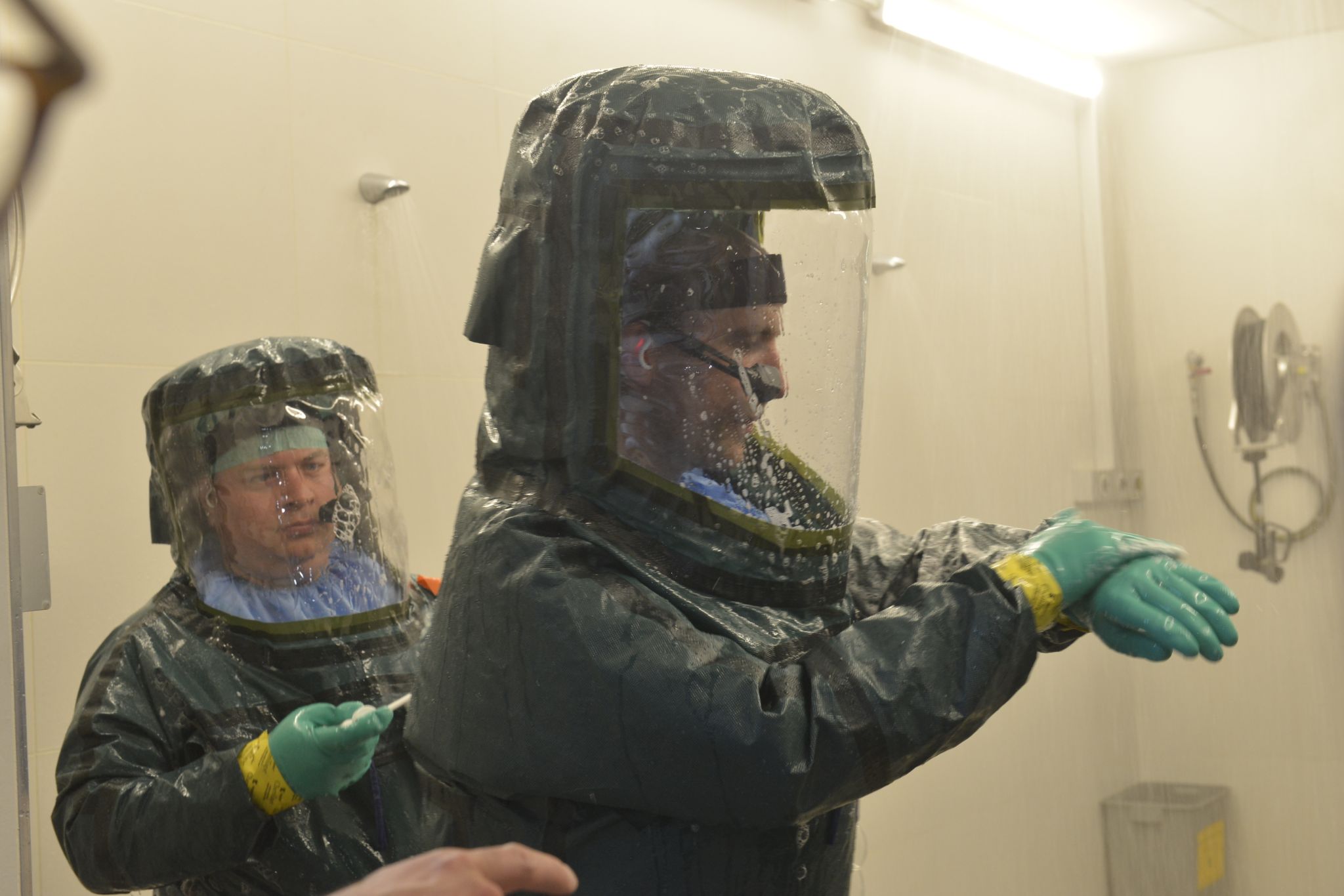
Interview: Medical response during CBRNe events
CEDIMED Brussels brought together its clinical division (UZ Brussel) and its research division (Vrije Universiteit Brussel (VUB)) to conduct a large-scale CBRNe simulation exercise in the emergency department at UZ Brussel as part of a three-day preparatory training session. During the exercise, various technologies—including cosinuss° patient monitoring—were tested to evaluate their added value and acceptance in terms of safety for both emergency responders and patients.
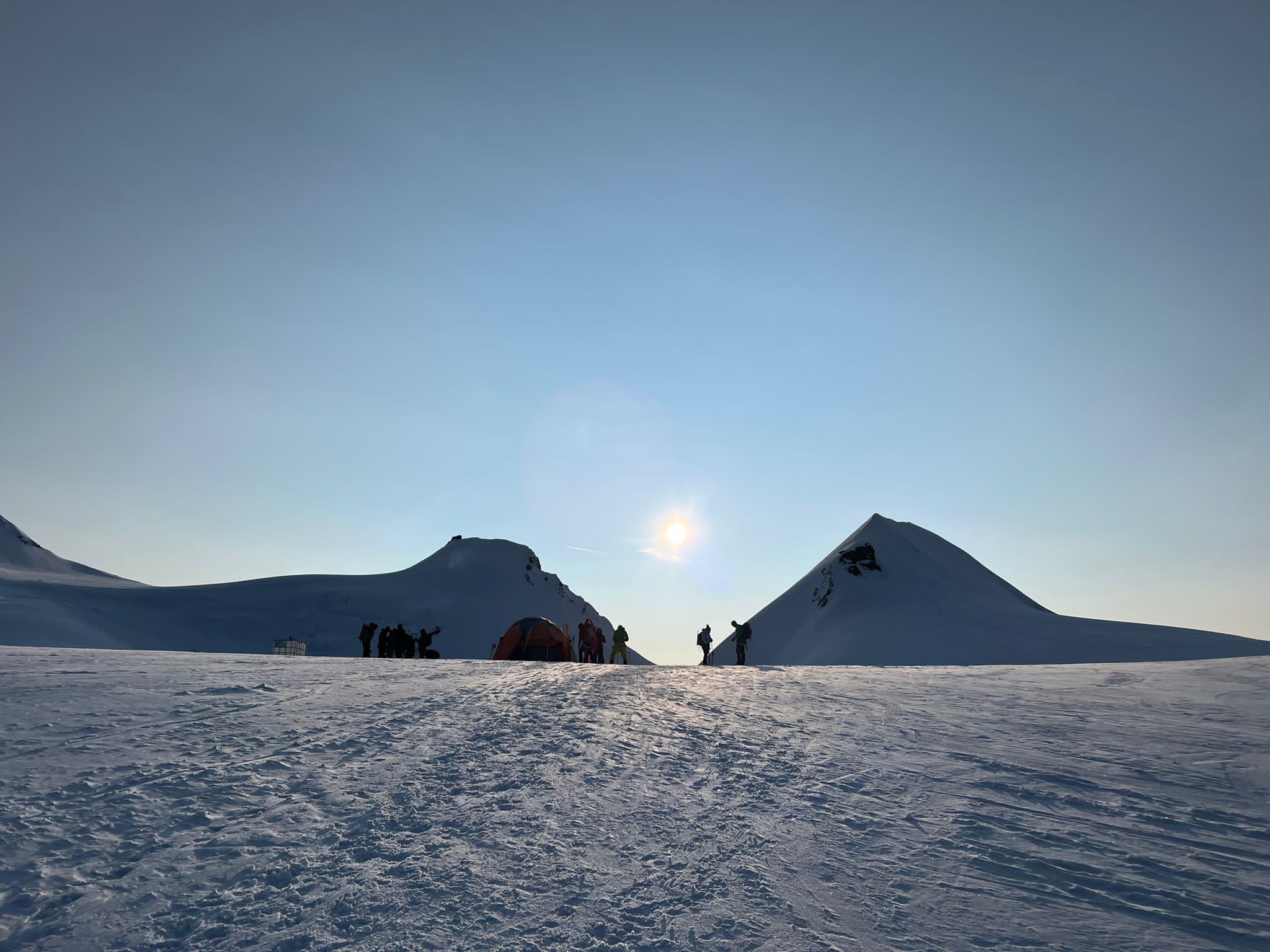
Interview: Medical care at extreme sporting events
Providing medical care in the mountains presents a number of challenges due to the difficult terrain and extreme weather conditions. Rescue workers must therefore cope with several difficulties. Regular and specialized training in mountain rescue is just as essential for a successful rescue as having the right equipment to monitor patients. We spoke with Marta Baggiani, an anesthesiologist and intensive care physician, and Marcello Mora, a paramedic and mountain rescue technician, about these challenges.

Interview: “Great potential for the further development of expedition medicine”
Isolation, limited or no access to medical infrastructure, extreme environmental conditions, and limited communication make every expedition an organizational and medical challenge. Michael Helbing, a paramedic with a Postgraduate Diploma in Wilderness & Expedition Medicine, has experience caring for patients in remote regions. We spoke with him about his work in expedition medicine, the challenges it entails, and the potential offered by cosinuss°’s mobile patient monitoring system.

Interview: “With cosinuss° we’re bridging the gap between high-tech monitoring and wilderness medicine basics.”
When medical care must be provided in remote areas, every decision counts and resources are limited. One person who knows these situations very well is paramedic Jonathon Will. In this interview, he explains what really matters during wilderness rescue operations and why he sees great potential in compact, lightweight monitoring technologies like those from cosinuss°.
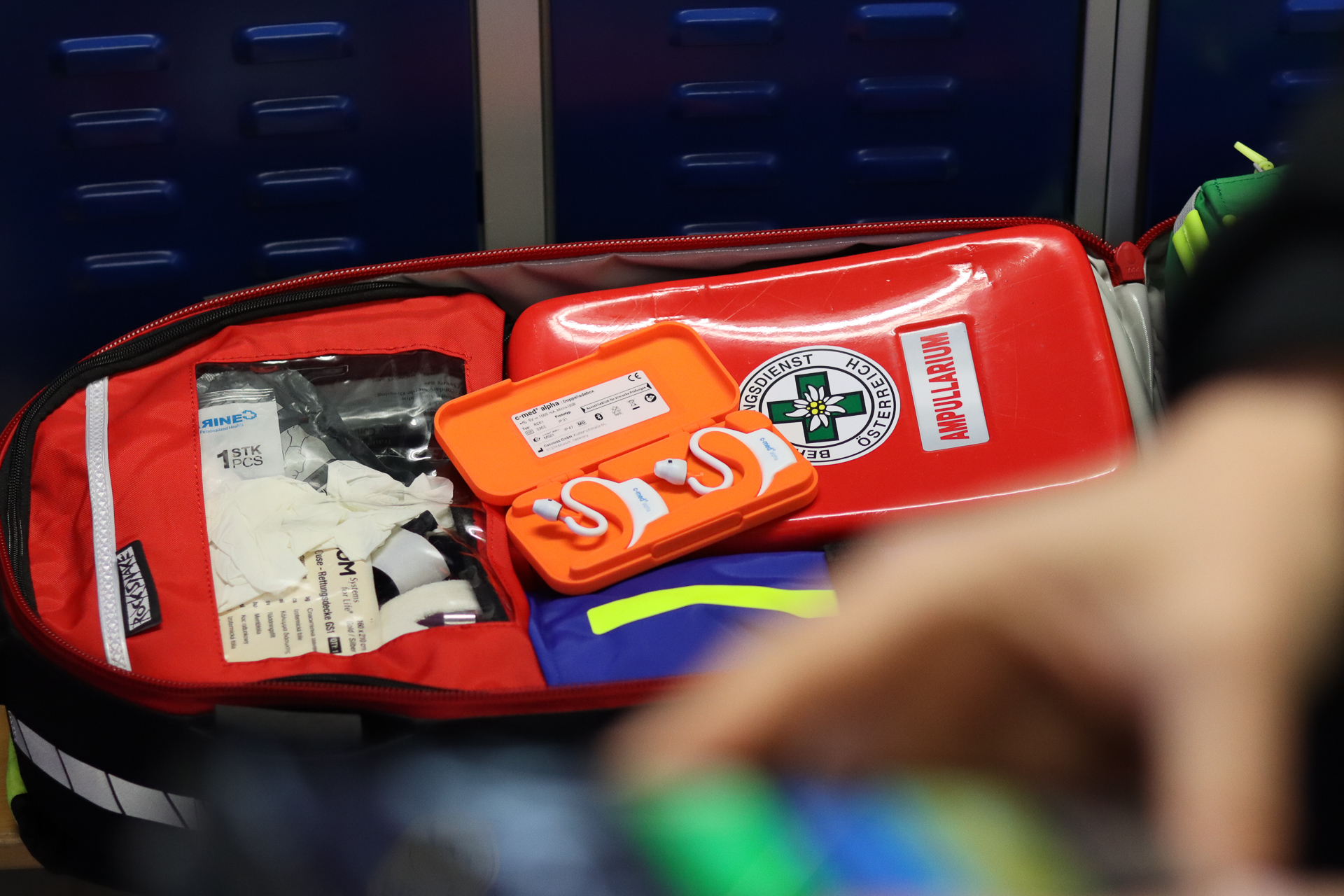
Mountain Rescue Upper Austria
The weight, size and functionality of each device are of enormous importance in mountain rescue. The ultra-light patient monitor from cosinuss° has proven to be a real game changer and has been used by the teams of the Upper Austrian Mountain Rescue Service since the beginning of 2024.
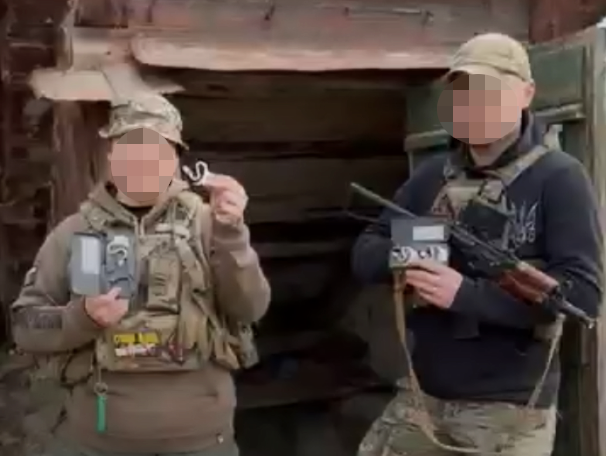
Filling gaps in patient monitoring in challenging environments
In close collaboration with several partners cosinuss° has delivered several sensor units to frontline teams in Ukraine. Over the recent months we could gather invaluable feedback from the users, using our system in military medical evacuation missions.
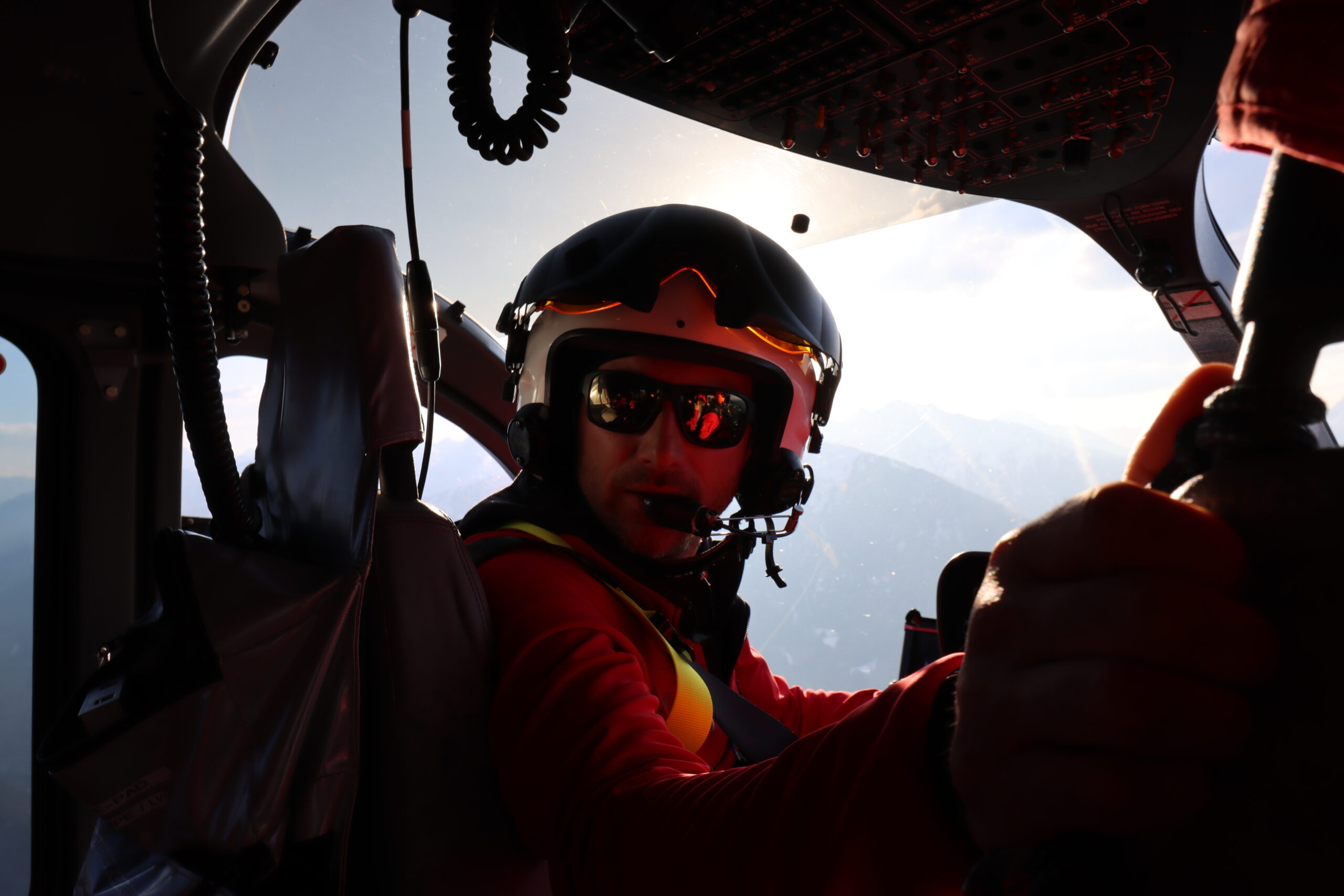
Focusing on patient safety
Martin Flugrettung has set a new standard in pre-hospital care with the introduction of cosinuss°'s innovative patient monitoring solution. One year after the integration, it is clear to see how this technology significantly improves the safety and well-being of patients and supports air rescuers in their demanding work.
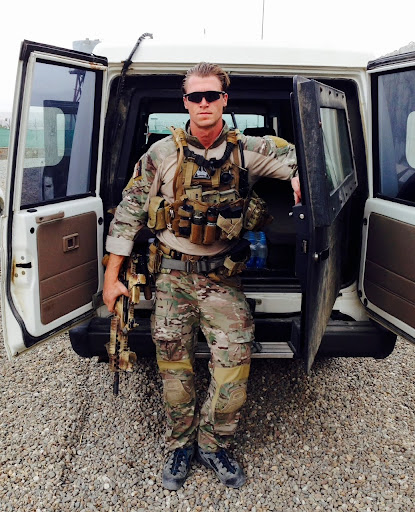
Interview: Medical care in hostile operational scenarios
Rescue operations in military settings—and special operations in particular—not only present extraordinary challenges for medical teams but are also extremely dangerous for both patients and soldiers. Hostile and remote areas, enemy combat forces, weather conditions, limited access to medical care, and long and complicated routes to medical facilities require specialized solutions to ensure patients receive safe care.