


Robust in-ear vital parameter measurements during helicopter vibrations
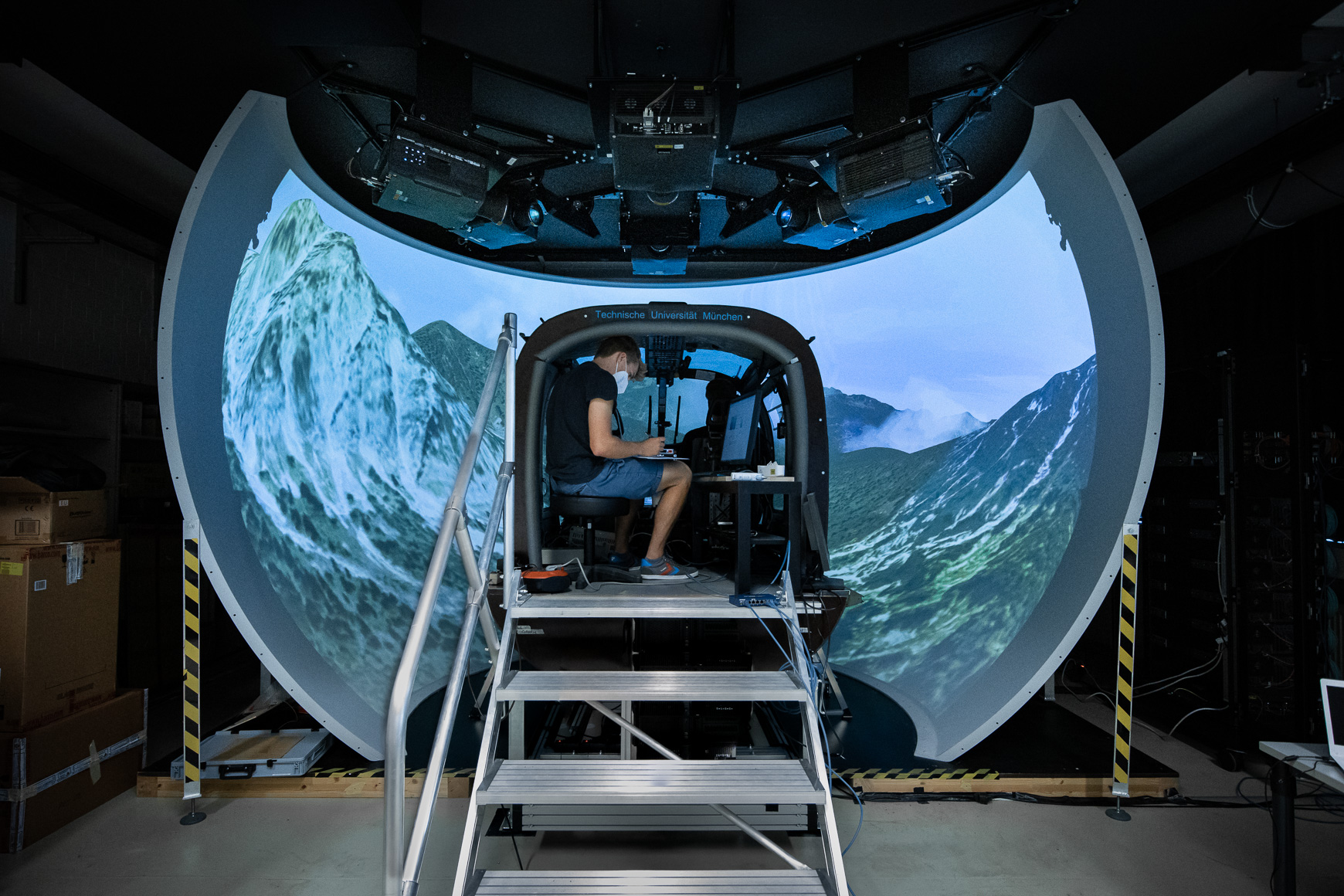
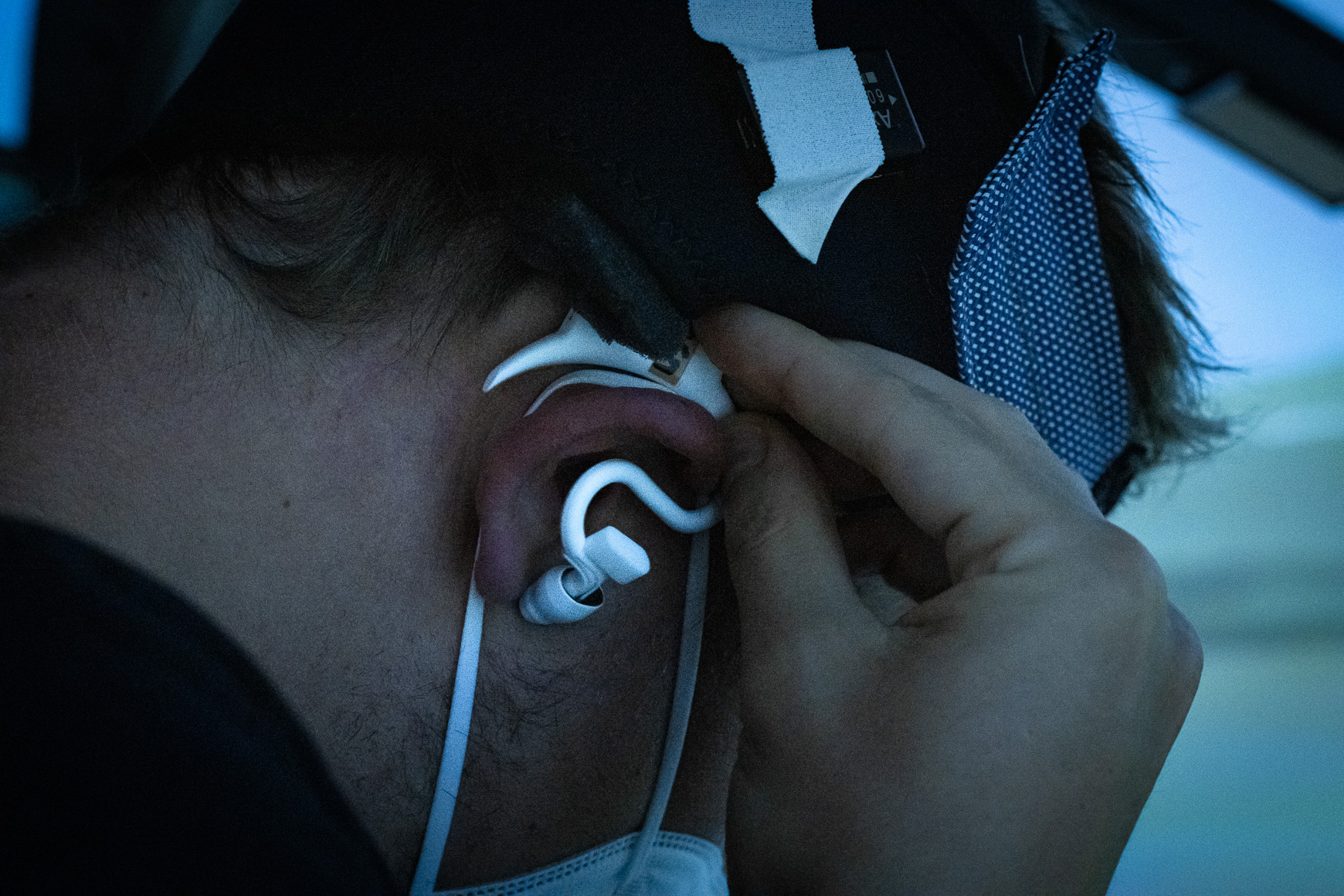
The cosinuss° monitoring solution was extensively tested in simulated helicopter flights in a study at the Technical University of Munich, coordinated by the LMU University Hospital in Munich. The aim was to determine whether helicopter vibration has an impact on the photoplethysmogram (PPG) derived from an in-ear sensor at the external ear canal and whether the vibration influences the calculation of vital signs like Pulse rate (PR) and SpO2.
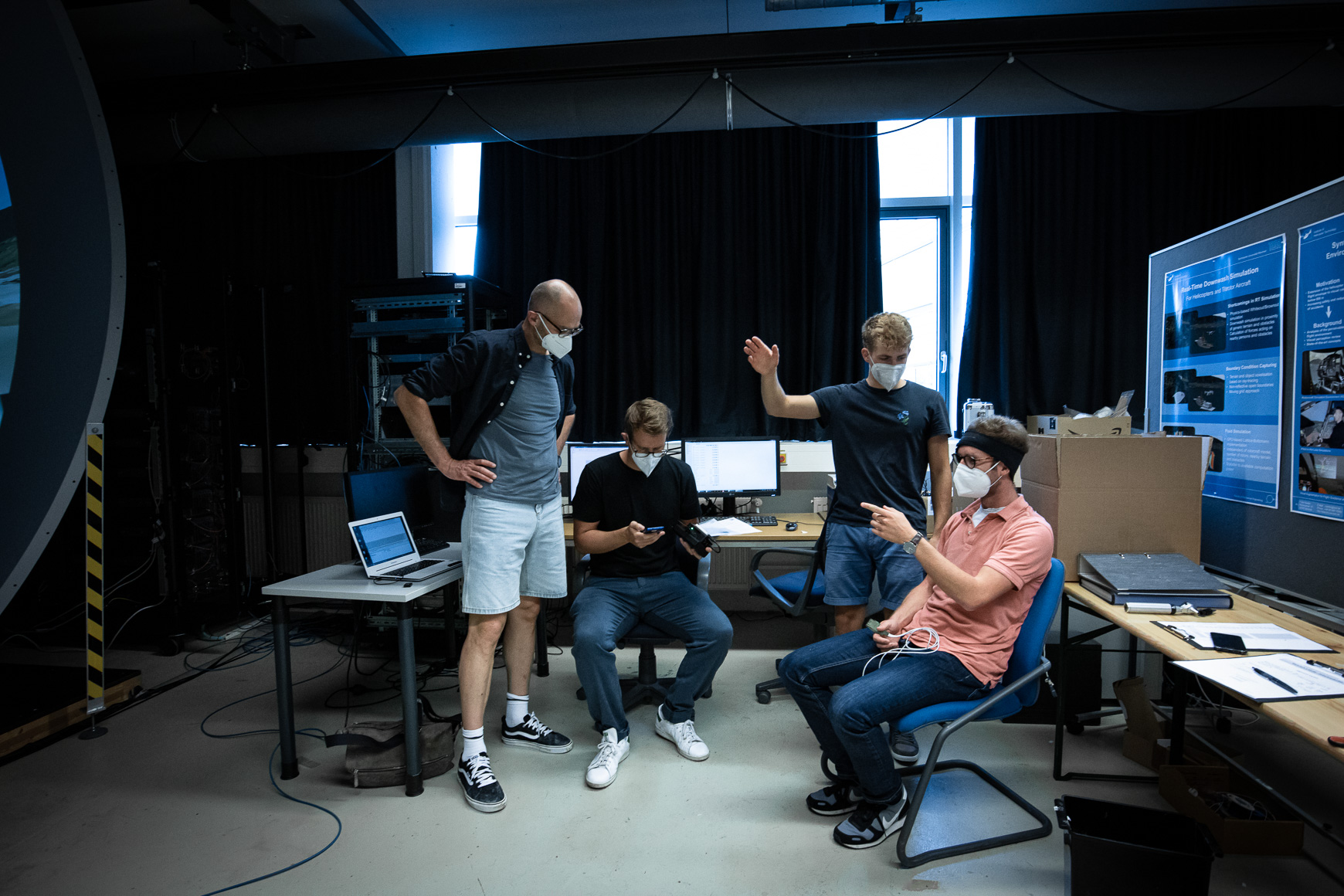
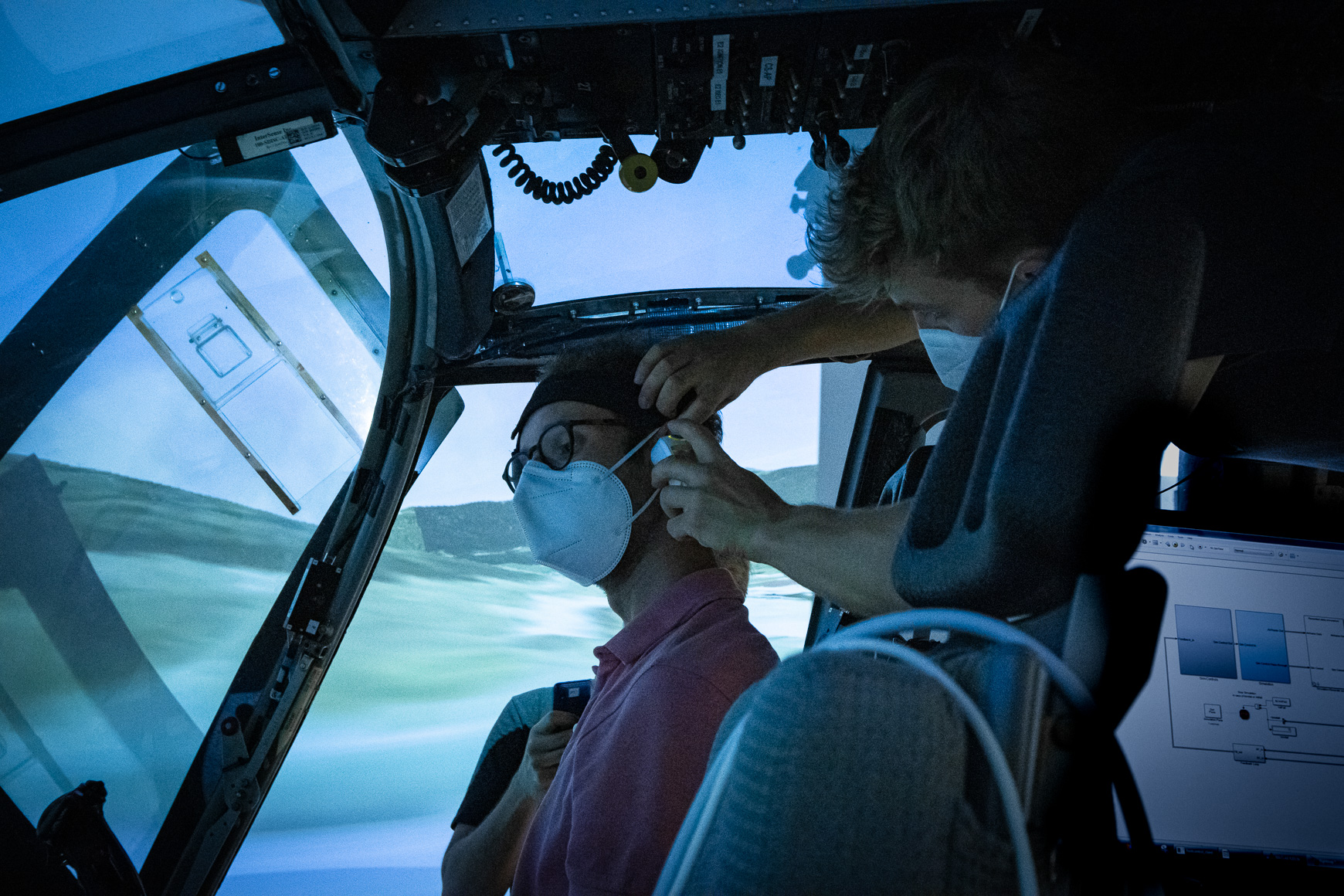
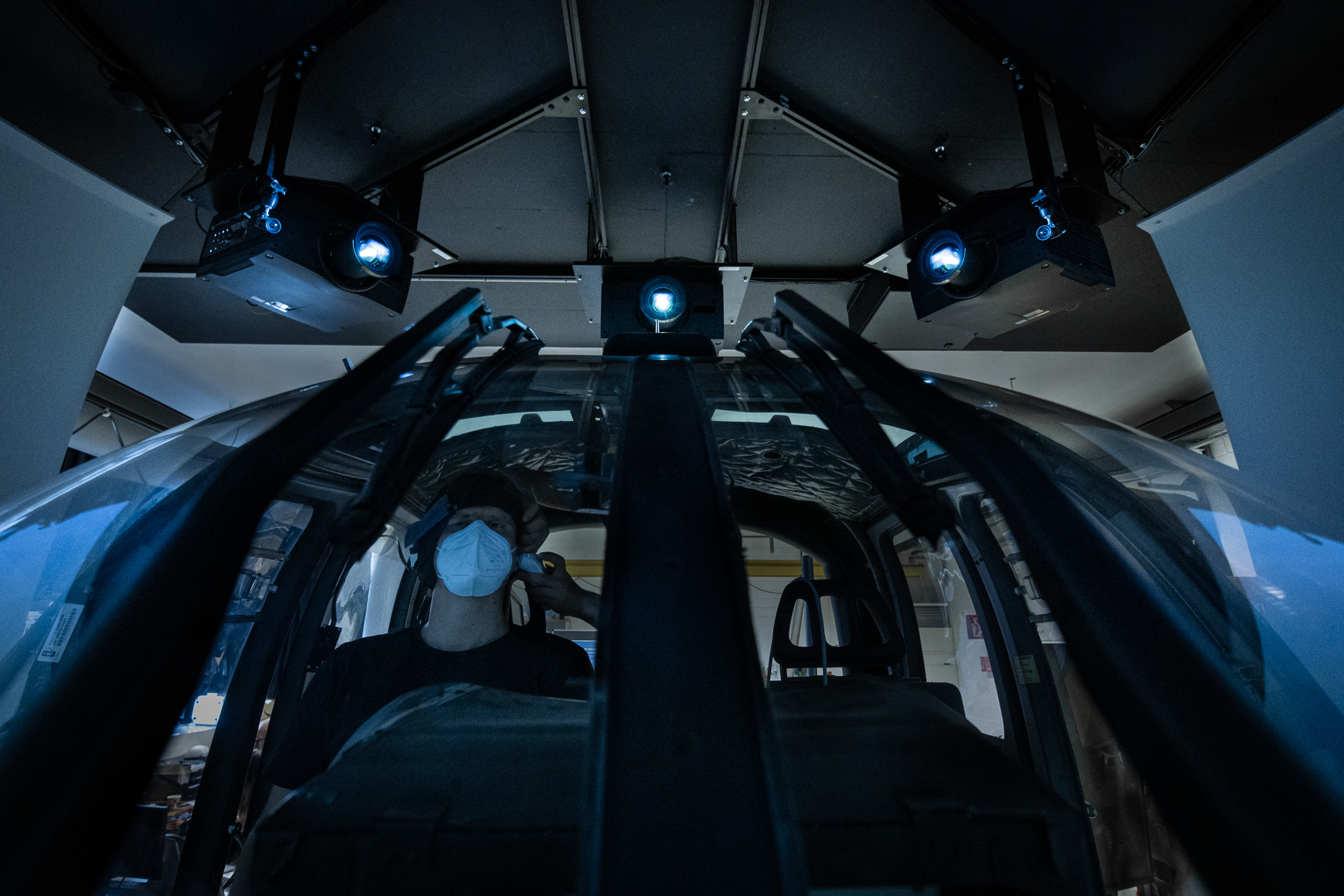
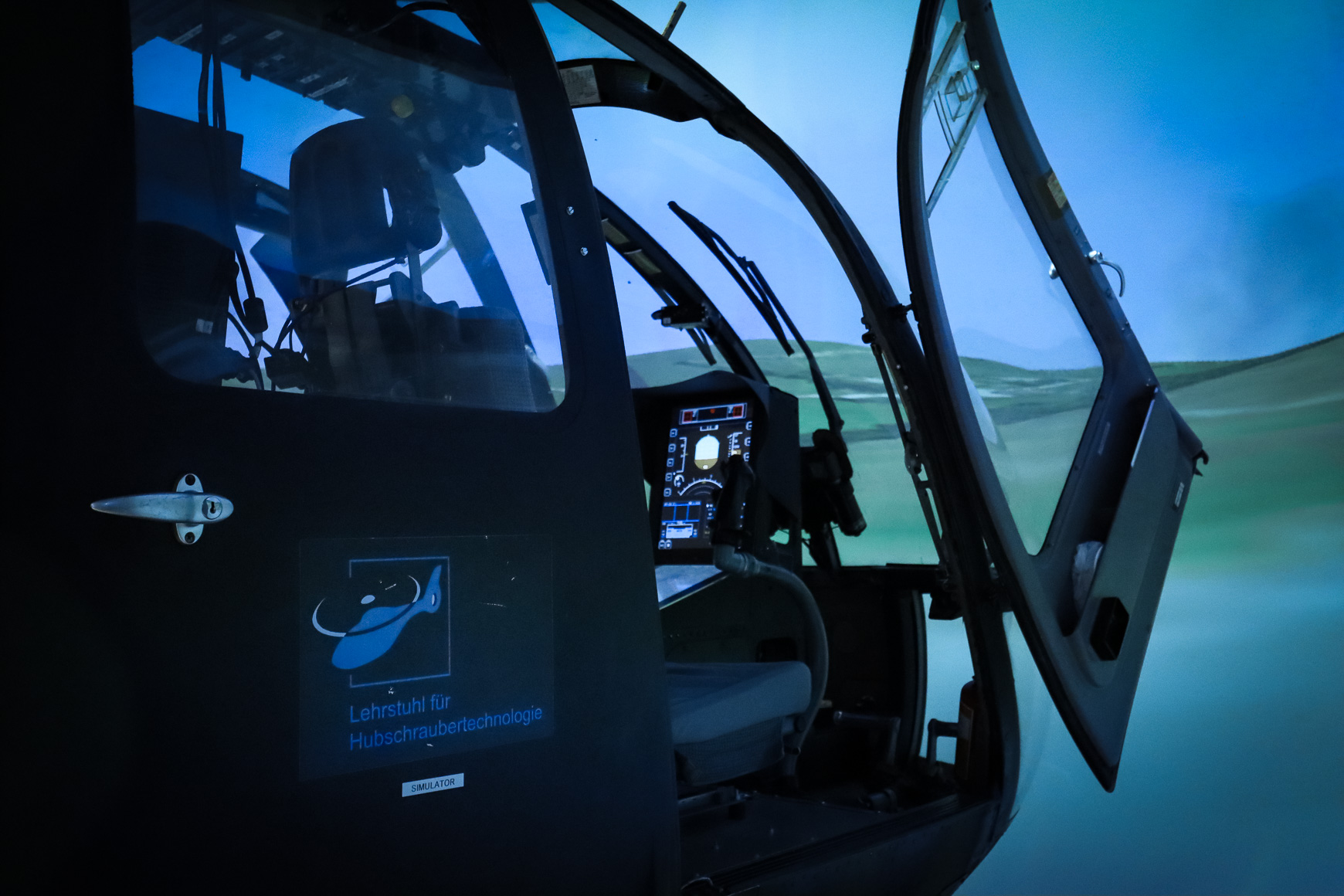
To create a scenario as close to reality as possible, the team used the flight simulator at the Technical University in Munich. Vibrations of the flight were transmitted directly through the seat to the test person in the simulator. The 17 test participants held their heads directly against the headrest, which was connected to the “shaker”. There was hardly any attenuation by seat padding.
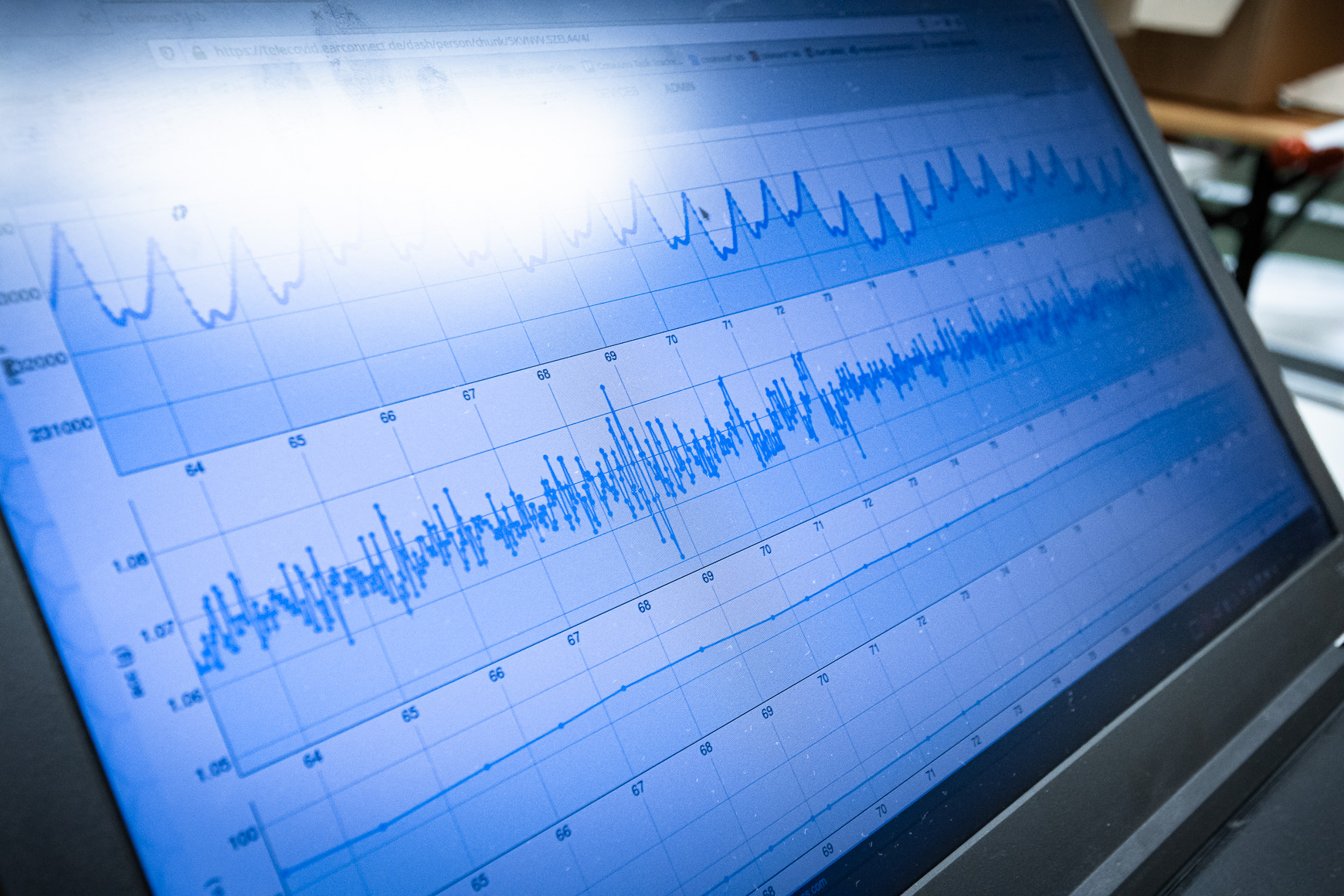
Pattern recognition algorithms were used to analyze the recorded in-ear PPG data. To assess how vibration affected signal quality, measurements of participants with and without vibration were compared. The analysis showed no statistically significant differences in any of the SQIs between rest and vibration1.
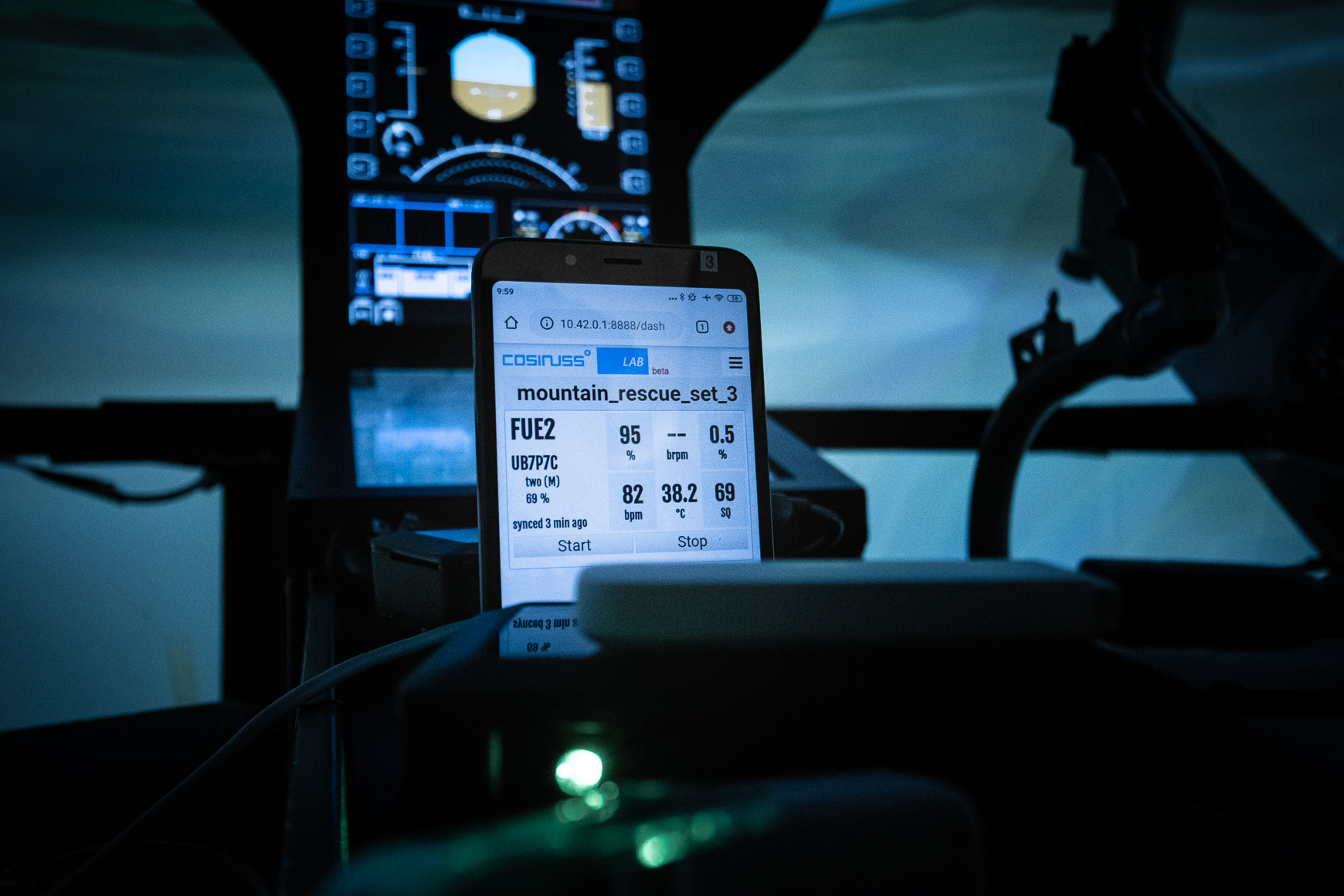
In addition, pulse rate and oxygen saturation (SpO₂) derived from the in-ear PPG signal were compared with reference values obtained from a clinical monitoring system (ECG and a finger-based pulse oximetry sensor). The results demonstrate that simulated helicopter vibration did not negatively affect signal quality indicators, and that the calculated pulse rate and oxygen saturation values were consistent between rest and vibration conditions.
In summary, the study shows that movements such as vibrations of the helicopter cabin during air rescue missions do not significantly affect the quality of the cosinuss° patient monitoring solution.


This article was last updated on January 19, 2026